
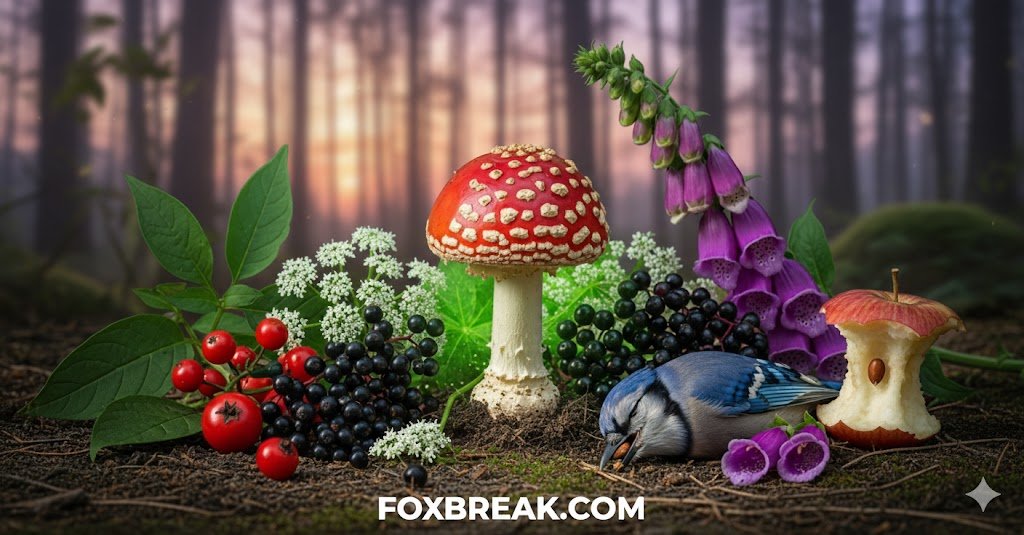
Kleptotoxicity refers to the phenomenon where organisms accumulate toxins from other species or their environment, often through stealing or consuming toxic prey. It affects biological systems by influencing predator-prey interactions, ecological balance, and evolutionary adaptations. Animals that exhibit kleptotoxicity gain defensive advantages, while ecosystems experience shifts in biodiversity and species dynamics.
Kleptotoxicity is a fascinating natural process where organisms acquire toxins from external sources, typically other organisms, for survival or defense. This article explores the biological mechanisms, ecological significance, and evolutionary benefits of kleptotoxicity. We examine real-world examples in animals, the scientific research behind it, and its relevance to humans and ecosystems. Through clear explanations and case studies, readers gain an in-depth understanding of how kleptotoxicity shapes life in nature and why it matters for conservation and ecological studies.
Defining Kleptotoxicity in Nature
Kleptotoxicity is a unique ecological and biological phenomenon where organisms accumulate or appropriate toxins from other species or environmental sources. This process is often observed in predator-prey interactions, where an animal gains chemical defenses by consuming toxic prey or materials. Unlike direct toxicity, which arises from the organism itself producing toxins, kleptotoxicity involves an external acquisition.
For instance, certain butterflies ingest toxic plants during the larval stage, storing the chemicals to protect themselves as adults. Similarly, some fish species acquire toxins from the prey they consume to deter predators. Kleptotoxicity not only helps individuals survive but can influence population dynamics and ecological interactions across ecosystems. Its study bridges toxicology, ecology, and evolutionary biology, making it a vital topic for understanding natural defense mechanisms. Research has shown that kleptotoxicity can affect predator choice, mating behavior, and survival rates, underlining its ecological significance.
Biological Mechanisms Behind Kleptotoxicity
Kleptotoxicity occurs through intricate biological processes that allow organisms to ingest, store, and sometimes modify toxic compounds without harming themselves. Enzymatic systems often neutralize harmful effects internally, while specialized tissues or storage organs safely contain toxins. This allows the organism to become toxic to predators while remaining unharmed.
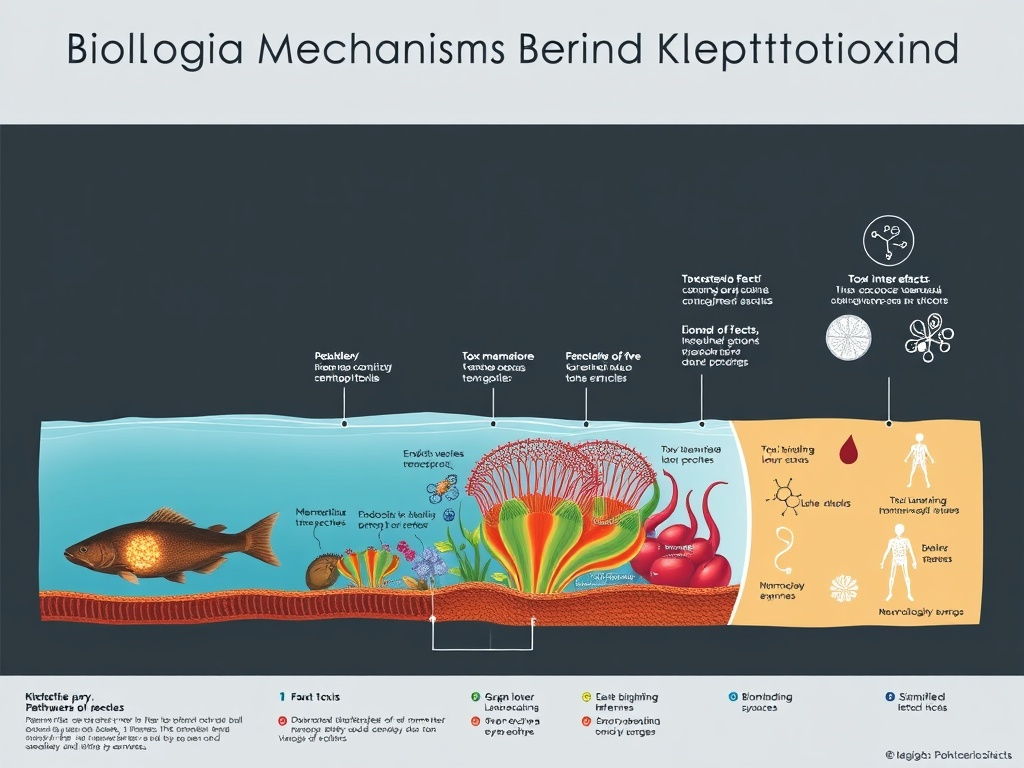
For example, poison dart frogs obtain alkaloid toxins from their diet of ants and mites. These compounds are stored in skin glands, providing potent chemical defense. In insects like monarch butterflies, cardiac glycosides from milkweed are sequestered, making them unpalatable to birds. The ability to tolerate and store toxins is often linked to evolutionary adaptations in metabolic pathways, membrane structures, and excretion mechanisms. Kleptotoxicity also intersects with immunity and stress response systems, highlighting its multifaceted role in organismal biology.
Ecological Role of Kleptotoxicity
Kleptotoxicity shapes ecosystems by influencing predator-prey relationships, species competition, and biodiversity. Predators often avoid toxic prey, giving kleptotoxic species a survival advantage. This protective mechanism allows certain populations to thrive and maintain ecological balance.
For instance, monarch butterflies’ toxicity deters bird predation, indirectly benefiting plant pollination patterns by ensuring butterfly survival. Similarly, some marine invertebrates acquire toxins from prey, affecting predator feeding behaviors and community structure. Kleptotoxic species can also influence evolutionary pressures, driving adaptation in both predators and other prey species. By altering food web dynamics, kleptotoxicity plays a critical role in ecosystem stability and resilience, emphasizing its ecological significance.
Also read this :Doctiplus: Ultimate Health Platform for Doctors and Patients Online
Examples of Kleptotoxicity in Animals
Numerous animals exhibit kleptotoxic behavior. Monarch butterflies store milkweed toxins, poison dart frogs acquire alkaloids from ants, and certain fish species sequester tetrodotoxins from prey. These examples illustrate how kleptotoxicity provides defense against predation and improves survival chances.
In birds, some species consume toxic insects or plants, making them unpalatable to predators. Similarly, invertebrates like nudibranchs can sequester toxins from sponges or cnidarians. Even mammals occasionally show kleptotoxic behavior, such as consuming poisonous insects or plants to repel parasites. Documenting these examples helps scientists understand chemical ecology, predator-prey coevolution, and natural selection dynamics.
Evolutionary Advantages of Kleptotoxicity
Kleptotoxicity provides multiple evolutionary benefits. By storing toxins, organisms reduce predation risks, increasing survival and reproductive success. Over generations, this selective advantage encourages the proliferation of kleptotoxic traits.
In monarch butterflies, individuals with higher toxin accumulation are less likely to be eaten, promoting gene survival. Similarly, poison dart frogs that maintain high alkaloid levels experience better mating success due to their unpalatability. Evolutionary advantages extend beyond survival, influencing behaviors such as habitat selection, foraging strategies, and interspecies interactions. Kleptotoxicity exemplifies natural selection’s role in shaping adaptive traits.
Scientific Research and Human Relevance
Scientists study kleptotoxicity to understand chemical ecology, evolutionary biology, and potential medical applications. Some toxins sequestered by animals have pharmacological relevance, aiding drug discovery.
For instance, alkaloids from poison dart frogs have inspired painkillers and cardiac drugs. Research also sheds light on ecological impacts, such as controlling pest populations or protecting endangered species. Understanding kleptotoxicity helps humans manage ecosystems responsibly and explore nature-inspired solutions in medicine, agriculture, and biotechnology.
Chemical Pathways and Toxins Involved
Kleptotoxicity involves diverse chemical compounds: alkaloids, cardiac glycosides, terpenoids, and tetrodotoxins. Organisms sequester these compounds through ingestion and metabolic modification. Some detoxify harmful components while preserving bioactive properties, enabling survival and defense.
For example, monarch butterflies store cardenolides from milkweed; poison dart frogs process alkaloids from insects; pufferfish acquire tetrodotoxin from bacteria or prey. Studying these pathways informs toxicology, pharmacology, and evolutionary biology, revealing complex biochemical strategies evolved over millions of years.
Kleptotoxicity and Predator-Prey Interactions
Kleptotoxicity directly affects predator decisions. Predators learn to avoid toxic prey, sometimes even influencing evolutionary adaptations in predator species.
Birds, fish, and mammals often recognize warning coloration or chemical cues associated with kleptotoxic species. This learning reduces predation and allows kleptotoxic animals to thrive. Over time, predator avoidance behavior reinforces kleptotoxic traits, creating a feedback loop that shapes food web dynamics and species interactions in ecosystems.
Impact on Biodiversity and Species Survival
By reducing predation risk, kleptotoxic species often achieve higher survival rates, indirectly affecting biodiversity. Their presence can influence the distribution and abundance of other species, altering community structures.
For example, toxic insects may reduce predation pressure on certain plants, while toxic fish can affect prey populations in coral reefs. Kleptotoxicity contributes to ecosystem resilience by maintaining species diversity and promoting balanced ecological interactions.
Adaptive Strategies Linked to Kleptotoxic Behavior
Organisms often combine kleptotoxicity with other adaptive strategies like mimicry, camouflage, or social defense. This multimodal defense enhances survival beyond chemical protection alone.
For instance, some butterflies are both toxic and visually mimic other toxic species. Marine nudibranchs not only store toxins but also display warning coloration to predators. Combining chemical and behavioral adaptations exemplifies nature’s intricate survival strategies shaped by evolution.
Case Studies: Birds, Fish, and Insects
Research highlights diverse examples:
- Monarch butterflies and milkweed toxins
- Poison dart frogs and alkaloid-rich diets
- Pufferfish and tetrodotoxin accumulation
- Ladybugs storing alkaloids to deter predators
These case studies demonstrate kleptotoxicity’s ecological, evolutionary, and biological significance across species, emphasizing its widespread impact in nature.
Environmental Factors Influencing Kleptotoxicity
Environmental conditions like diet availability, habitat, and climate influence kleptotoxicity. Organisms may increase toxin sequestration when predators are abundant or food sources are rich in toxic compounds.
Changes in ecosystem composition, pollution, or invasive species can disrupt kleptotoxic pathways, affecting survival rates and predator-prey dynamics. Understanding these factors aids conservation planning and ecological management.
Future Research Directions
Future research aims to explore molecular mechanisms, ecological consequences, and human applications of kleptotoxicity. Studies may focus on:
- Genetic adaptations to toxins
- Ecological modeling of predator-prey dynamics
- Drug discovery from sequestered compounds
Expanding knowledge of kleptotoxicity can help protect ecosystems and inspire innovations in medicine and agriculture.
Why Kleptotoxicity Matters: Lessons for Conservation
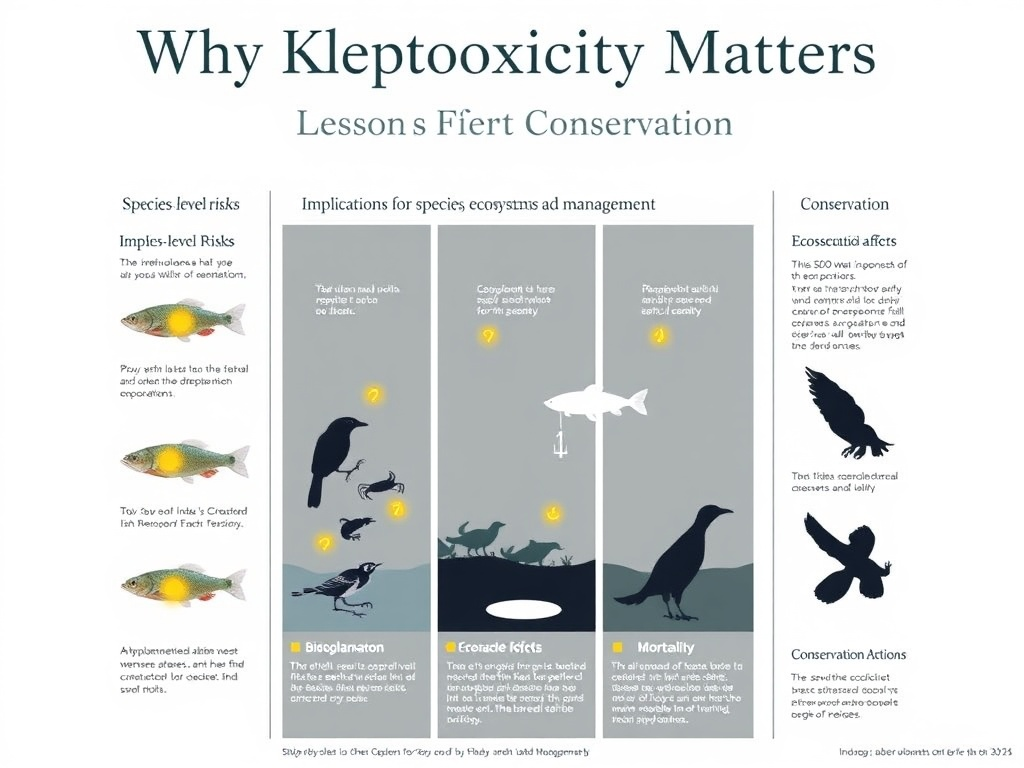
Kleptotoxicity demonstrates nature’s complex defense strategies, highlighting the need to preserve biodiversity and habitats. Protecting kleptotoxic species safeguards ecological balance, predator-prey interactions, and natural chemical diversity essential for future research. Conservation strategies can benefit from understanding these mechanisms, ensuring species survival in rapidly changing environments.
Conclusion & Call-to-Action
Kleptotoxicity is a remarkable natural strategy where organisms acquire toxins for survival, influencing ecosystems, evolution, and human understanding. From butterflies to frogs, this process highlights nature’s ingenuity and the delicate balance of predator-prey interactions. By studying kleptotoxicity, we gain insights into ecology, evolution, and potential medical applications. Protect biodiversity, explore scientific research, and appreciate the hidden chemical defenses shaping life on Earth.
FAQs
1. What is the difference between toxicity and kleptotoxicity?
Toxicity is when an organism produces its own toxins, while kleptotoxicity involves acquiring toxins from other species or the environment.
2. Which animals show kleptotoxic behavior?
Butterflies, poison dart frogs, pufferfish, nudibranchs, and some birds and insects demonstrate kleptotoxicity.
3. How does kleptotoxicity benefit survival?
It deters predators, enhances reproductive success, and provides evolutionary advantages.
4. Can humans benefit from studying kleptotoxicity?
Yes, kleptotoxic compounds have inspired pharmaceuticals, painkillers, and ecological management strategies.
5. How do organisms store toxins safely?
Specialized tissues, glands, and enzymatic processes neutralize harmful effects while retaining defensive properties.
6. Does kleptotoxicity affect ecosystems?
Yes, it influences predator-prey interactions, species distribution, and biodiversity, contributing to ecological balance.
7. What future research is being done on kleptotoxicity?
Studies focus on genetics, ecological modeling, toxin pathways, and potential medical applications.
For more info: foxbreak.com
