
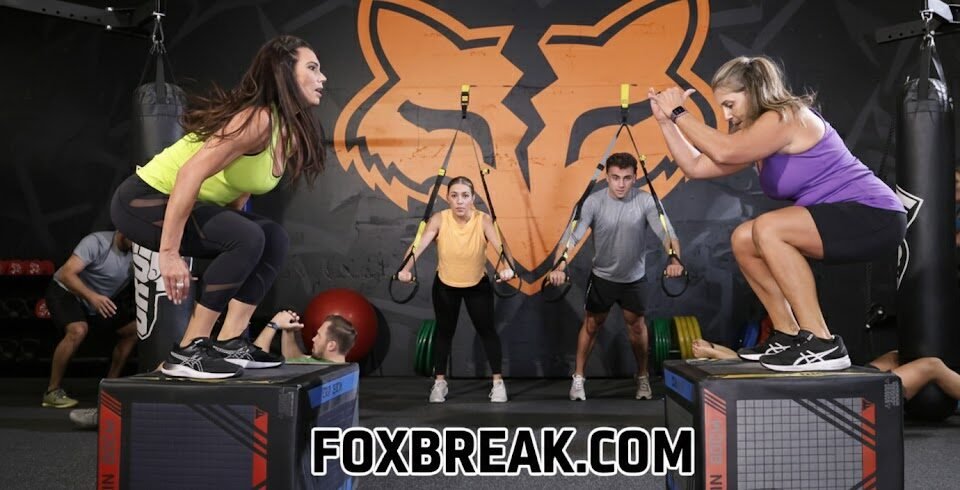
High Intensity Interval Training (HIIT) is a time-efficient workout combining short bursts of intense activity with brief recovery periods. It boosts metabolism, burns fat, improves cardiovascular fitness, and increases endurance. HIIT can be adapted for all fitness levels and requires minimal or no equipment, making it ideal for home or gym workouts. Even 15–30 minutes a day can deliver significant results.
High Intensity Interval Training, or HIIT, is a popular exercise method that alternates between short, intense workouts and recovery periods. It is highly effective for fat loss, muscle building, and improving cardiovascular health. HIIT workouts are versatile, requiring little to no equipment, and can be performed at home or in the gym. With the right technique and consistency, HIIT enhances endurance, accelerates metabolism, and fits into even the busiest schedules. This guide explains HIIT, offers step-by-step workout plans, tips for beginners, nutrition advice, and safety guidelines, making it the ultimate resource for anyone looking to maximize fitness results quickly and efficiently.
What is High Intensity Interval Training (HIIT) and How It Works
High Intensity Interval Training (HIIT) is a workout strategy that alternates short periods of intense exercise with brief recovery periods. Unlike steady-state cardio, which maintains the same pace, HIIT pushes your body to its maximum for short bursts, then allows recovery. This cycle increases heart rate, improves oxygen consumption, and accelerates fat burning. Research shows HIIT can burn up to 30% more calories than traditional workouts in the same time. HIIT stimulates both aerobic and anaerobic systems, helping in endurance, muscle strength, and metabolism.
Top Benefits of High Intensity Interval Training for Fitness
HIIT offers multiple benefits. It promotes fat loss while preserving muscle, increases cardiovascular fitness, and boosts metabolism even after the workout. Studies indicate HIIT can reduce body fat by 4–7% in 12 weeks. It also improves insulin sensitivity, which helps regulate blood sugar. HIIT is versatile and can be adapted for strength, cardio, or mixed workouts, making it suitable for beginners and advanced athletes. Its time-efficient nature means just 20–30 minutes can replace longer traditional workouts, perfect for busy schedules.
How HIIT Burns Fat Faster Than Traditional Workouts
HIIT triggers excess post-exercise oxygen consumption (EPOC), also called the afterburn effect, meaning your body continues to burn calories hours after the session. This is why HIIT is more effective for fat loss than steady cardio. For example, sprint intervals for 20 minutes can burn as many calories as 40 minutes of jogging. By combining resistance movements and cardio bursts, HIIT targets fat while maintaining muscle mass, leading to toned, leaner bodies. Studies also show HIIT helps reduce abdominal fat, a key factor in overall health.
HIIT vs. Cardio: Which One is Better for You
Traditional cardio involves steady movements like running or cycling at a constant pace. While beneficial for heart health, it burns fewer calories and takes longer. HIIT alternates high-intensity exercises with rest, maximizing calorie burn in less time. For example, 15 minutes of HIIT can match a 45-minute jog. However, HIIT may not be suitable for everyone, especially beginners or those with joint issues. Combining both methods can offer the best results: HIIT for fat loss and endurance, cardio for steady stamina and recovery.
Also read this :Mesomorph Body Type Secrets: Unlock Explosive Strength & Peak Athletic Power
Step-by-Step Guide to Starting High Intensity Interval Training
Starting HIIT requires understanding your fitness level. Begin with a warm-up of 5–10 minutes to prevent injury. Choose 2–4 exercises like sprints, burpees, or jump squats. Perform each for 20–40 seconds at maximum effort, followed by 10–30 seconds rest. Repeat for 4–6 cycles. Beginners should start with shorter intervals and fewer cycles, gradually increasing intensity. Cool down with stretching and hydration. Tracking progress through heart rate or repetitions ensures safety and effective results.
Best HIIT Exercises for Beginners and Advanced Levels
Beginners can start with basic exercises like jumping jacks, high knees, or bodyweight squats. Intermediate users can include burpees, mountain climbers, and jump lunges. Advanced routines may involve weighted exercises, kettlebell swings, or sprint intervals. Combining upper and lower body movements maximizes calorie burn and improves strength. Varying exercises prevents plateaus and keeps workouts challenging. Even 15–20 minutes a day can improve fitness if performed consistently with proper form.
How Often Should You Do High Intensity Interval Training
Experts recommend 2–4 HIIT sessions per week for most people, allowing at least 48 hours between sessions for recovery. Overtraining can lead to fatigue, muscle soreness, or injury. Beginners should start with 1–2 sessions weekly and gradually increase frequency. Combining HIIT with other workouts like yoga or strength training ensures balanced fitness. Duration typically ranges from 15–30 minutes per session, enough to achieve fat loss, boost metabolism, and improve cardiovascular health without overexertion.
Common HIIT Mistakes to Avoid for Maximum Results
Mistakes like skipping warm-ups, improper form, or overtraining can reduce HIIT effectiveness and cause injuries. Beginners often start too fast, leading to fatigue before completing cycles. Another common error is ignoring recovery; muscles need rest to grow and repair. Tracking heart rate, maintaining proper form, and adjusting intensity according to fitness level ensures optimal results. Listening to your body prevents burnout and maintains long-term consistency.
HIIT Workout Plans for Weight Loss and Muscle Gain
Weight loss HIIT plans focus on high-calorie burning exercises like sprints, burpees, and jump squats. Muscle-building HIIT integrates strength exercises like push-ups, lunges, and kettlebell swings with short rest intervals. Combining both strategies enhances overall fitness. Example: 30 seconds of jump squats, 15-second rest, 30 seconds of push-ups, repeat for 6–8 rounds. Adjust exercises, duration, and rest according to goals and fitness level. Consistency and gradual progression are key.
High Intensity Interval Training at Home: No Equipment Needed
HIIT can be performed at home using bodyweight exercises. Effective routines include jumping jacks, high knees, mountain climbers, burpees, and squats. No treadmill, bike, or gym is required. Mobile apps or timers can help structure intervals. Home HIIT offers flexibility, saves time, and maintains privacy. Even a 20-minute session can boost metabolism and improve strength. Adding household items like chairs or water bottles can add resistance for advanced workouts.
HIIT for Endurance: Boost Your Stamina Quickly
HIIT improves both aerobic and anaerobic endurance. Short bursts of high-intensity exercises train the heart, lungs, and muscles to handle stress efficiently. Athletes often use HIIT to enhance performance in sprinting, cycling, or team sports. Beginners can start with 20-second intervals, gradually increasing duration. Studies show HIIT can improve VO2 max (a measure of oxygen usage) faster than traditional endurance training, making it a powerful tool for stamina improvement in less time.
Tracking Progress: How to Measure Your HIIT Results
Monitoring progress ensures you stay on track and achieve goals. Metrics include calories burned, heart rate, repetitions completed, or weight changes. Fitness apps, smartwatches, and journals help track intensity and performance. Take body measurements or progress photos to visualize results. Adjust interval duration, exercises, or rest periods based on progress. Regular tracking motivates consistency and helps identify plateaus, allowing timely adjustments for continued improvement.
Nutrition Tips to Support Your HIIT Workouts
Proper nutrition fuels HIIT performance and recovery. Consume a balanced mix of carbs, proteins, and healthy fats. Carbs provide energy for high-intensity bursts, while protein supports muscle repair. Hydration is critical; even mild dehydration reduces performance. Pre-workout snacks like bananas or oats provide energy, while post-workout meals rich in protein and complex carbs aid recovery. Supplements like BCAAs or whey protein can enhance results but are optional for teens and beginners.
HIIT for All Ages: Safety Tips and Modifications
HIIT can be adapted for teens, adults, and older individuals. Safety involves proper warm-up, correct form, and gradual intensity increase. Low-impact modifications reduce stress on joints, like step jacks instead of jumping jacks. Beginners or those with medical conditions should consult professionals before starting. Listening to your body prevents injuries. With proper guidance, HIIT is suitable for various fitness levels, improving cardiovascular health, endurance, and strength safely.
Conclusion & Call-to-Action
High Intensity Interval Training (HIIT) is one of the most effective and time-efficient ways to improve fitness, burn fat, and boost endurance. Whether at home or in the gym, beginners and advanced athletes can benefit from structured HIIT routines. Start gradually, maintain proper form, and pair workouts with good nutrition for maximum results. Take the first step today—incorporate HIIT into your routine and transform your fitness journey!
FAQS
Q1: How long should a HIIT session last?
Most sessions last 15–30 minutes, including warm-up and cool-down. Shorter sessions can still be effective.
Q2: Can beginners do HIIT?
Yes, with lower intensity, fewer cycles, and proper warm-up. Gradually increase difficulty.
Q3: How often should I do HIIT?
2–4 times per week with rest days in between. Recovery is essential for results.
Q4: Do I need equipment for HIIT?
No. Bodyweight exercises like burpees, squats, and jumping jacks are enough.
Q5: Will HIIT help me lose belly fat?
Yes. HIIT boosts metabolism and burns calories efficiently, including abdominal fat.
Q6: Is HIIT better than traditional cardio?
HIIT is more time-efficient and burns more calories in less time, but combining both offers optimal results.
Q7: Can teens safely do HIIT?
Yes, with proper supervision, modifications, and attention to form and recovery.
For more info: foxbreak.com
