
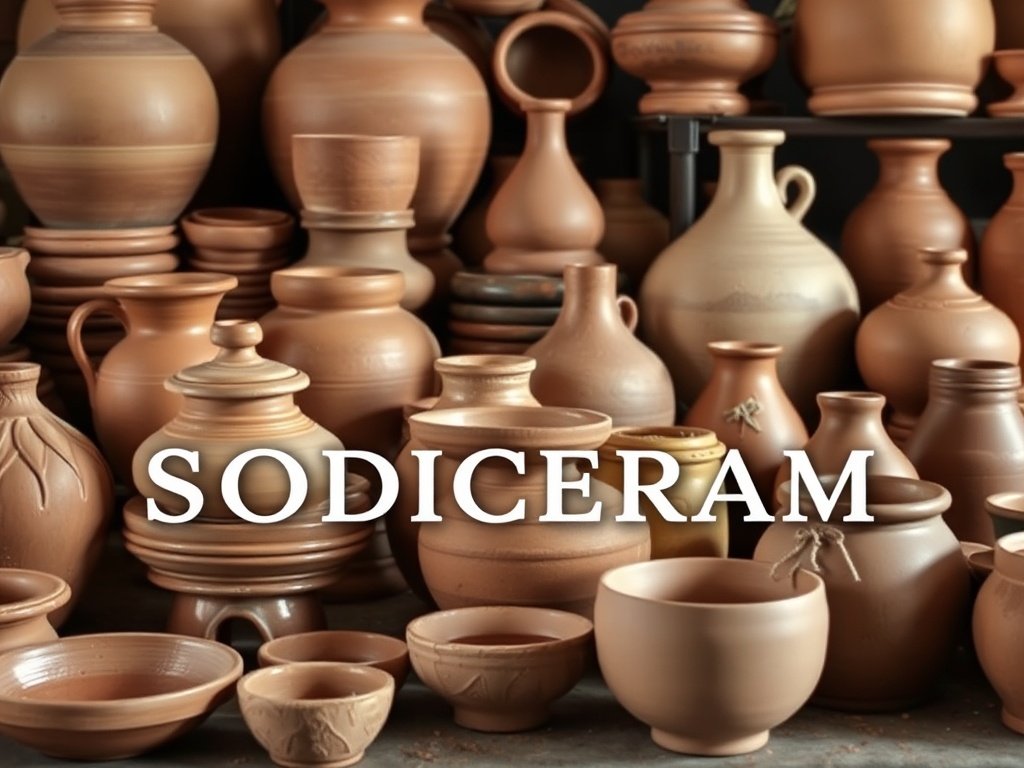
Sodiceram is an advanced ceramic material used in high-performance industrial, medical, and construction applications. Known for its exceptional durability, heat resistance, and chemical stability, sodiceram provides reliable performance in harsh environments. It is ideal for protective coatings, machinery components, and medical implants, offering long-lasting strength while maintaining lightweight and corrosion-resistant properties.
Sodiceram is a revolutionary ceramic material transforming multiple industries, from manufacturing to healthcare. Its unique composition delivers unparalleled strength, thermal resistance, and chemical stability, making it suitable for both industrial machinery and delicate medical devices. With applications in coatings, engineering components, and construction materials, sodiceram combines longevity with lightweight versatility. This guide explores its properties, production process, advantages, and practical applications, offering a detailed understanding of why sodiceram is becoming the preferred choice for engineers, architects, and medical professionals worldwide. Whether you are seeking durable components, efficient thermal solutions, or innovative ceramic designs, sodiceram provides a cutting-edge solution for modern challenges.
Understanding Sodiceram and Its Unique Properties
Sodiceram is an engineered ceramic known for its remarkable mechanical and chemical properties. Unlike traditional ceramics, it combines exceptional hardness with lightweight flexibility, allowing it to withstand extreme temperatures and corrosive environments. Its low thermal expansion ensures dimensional stability during heating or cooling cycles, making it suitable for precision components in machinery and electronics. Additionally, sodiceram resists wear, abrasion, and chemical degradation, allowing for long-term usage without performance loss. Its biocompatibility also enables use in medical devices, such as dental implants and surgical tools. By optimizing production processes, manufacturers can customize sodiceram for specific needs, ensuring a balance between strength, density, and thermal efficiency.
The Production Process of Sodiceram
Sodiceram is produced through advanced powder metallurgy and sintering techniques, which ensure a uniform microstructure and high density. The process starts with high-purity ceramic powders mixed with binders, which are then shaped using pressing or extrusion methods. After shaping, the material undergoes a controlled sintering process, where high temperatures consolidate the particles without melting, preserving the ceramic’s structural integrity. Additional surface treatments, such as polishing or coating, enhance its chemical resistance and mechanical durability. Innovations in production allow manufacturers to adjust porosity, hardness, and thermal conductivity, tailoring sodiceram for industrial, medical, or construction applications while maintaining consistent quality across batches.
Thermal Resistance and Mechanical Strength
One of sodiceram’s defining characteristics is its high thermal resistance, making it suitable for environments exceeding 1000°C. Unlike metals that expand and lose strength under heat, sodiceram maintains its structural integrity, preventing warping or cracking. Its mechanical strength is equally impressive; it can withstand high compressive loads and resist wear and abrasion in industrial machinery or cutting tools. Engineers often select sodiceram for components like turbine blades, protective coatings, and furnace linings, where conventional materials would fail. The combination of heat endurance and mechanical stability positions sodiceram as an ideal solution for industries requiring high-performance, long-lasting ceramic components.
Industrial Applications of Sodiceram
Sodiceram’s properties make it a popular choice across multiple industrial sectors. In manufacturing, it serves as a lining for high-temperature furnaces, cutting tool inserts, and precision machine parts. Its chemical stability enables use in reactors and pipelines that handle corrosive substances. Electronics benefit from sodiceram’s insulating properties, providing thermal management and durability in semiconductor components. Automotive applications include brake discs, engine parts, and exhaust system components that require wear resistance and heat endurance. By reducing downtime and maintenance costs, sodiceram enhances productivity and extends equipment lifespan, making it a cost-effective solution despite higher initial investment.
Medical and Biocompatible Applications
In medicine, sodiceram is valued for its biocompatibility, strength, and resistance to wear. Dental implants, orthopedic screws, and surgical instruments made from sodiceram integrate seamlessly with human tissue while resisting corrosion from bodily fluids. Its surface can be tailored to promote bone growth, improving implant longevity and patient outcomes. Unlike metals that may cause allergic reactions or degradation over time, sodiceram provides a safe, durable alternative. Hospitals and medical device manufacturers increasingly adopt sodiceram for high-performance equipment, ensuring reliability, hygiene, and minimal maintenance in clinical environments.
Sodiceram in Construction and Architecture
The construction industry benefits from sodiceram’s durability, aesthetic appeal, and resistance to environmental factors. Tiles, cladding, and structural panels made from sodiceram resist chemical erosion, UV radiation, and thermal fluctuations. Its lightweight nature simplifies transportation and installation, while the material’s strength ensures structural stability in high-rise buildings and industrial facilities. Designers often use sodiceram for both functional and decorative elements, combining modern aesthetics with long-term durability. Additionally, its fire-resistant properties provide safety advantages in residential and commercial buildings, meeting strict safety codes and enhancing overall sustainability.
Also read this: Interior Department RBFF Grant Cancellation 2026: Complete Update
Environmental and Sustainability Benefits
Sodiceram contributes to sustainable engineering due to its longevity and recyclability. Unlike plastics or metals that degrade or require energy-intensive recycling, sodiceram components have extended lifespans, reducing replacement needs. Its chemical stability minimizes environmental contamination, and manufacturing processes increasingly focus on eco-friendly methods using recycled ceramic powders and low-emission sintering technologies. For construction, using sodiceram reduces long-term energy costs due to its thermal insulation properties. In industrial settings, it lowers maintenance frequency, conserving resources. The combination of durability, energy efficiency, and recyclability positions sodiceram as an environmentally responsible choice for modern engineering projects.
Comparing Sodiceram with Other Ceramic Materials
Sodiceram distinguishes itself from conventional ceramics and advanced composites. Traditional ceramics are brittle and prone to fracture, whereas sodiceram provides enhanced toughness without sacrificing hardness. Compared to metal alloys, sodiceram offers superior heat resistance and chemical inertness, though it may have lower tensile strength. In comparison to zirconia or alumina, sodiceram provides a more customizable balance of thermal conductivity, density, and wear resistance. This adaptability makes it suitable for diverse industrial, medical, and architectural uses. Selecting sodiceram over alternative materials often reduces overall lifecycle costs by extending component longevity and reducing maintenance requirements.
Handling and Maintenance Guidelines
While sodiceram is durable, proper handling ensures maximum performance. Components should be protected from sharp impacts and sudden temperature shocks, which can cause micro-cracks. Cleaning typically involves non-abrasive methods and neutral pH detergents to maintain surface integrity. In industrial setups, monitoring for wear or erosion at high-stress points ensures early intervention before significant damage occurs. For medical applications, sterilization must follow approved protocols that do not compromise ceramic structure. Following these guidelines prolongs sodiceram’s functionality, maintaining performance in both high-temperature and biocompatible environments.
Cost Considerations and Investment Value
Although sodiceram is more expensive upfront than standard ceramics or metals, its long-term benefits justify the investment. Reduced maintenance, lower downtime, and extended lifespan offset initial costs in industrial, medical, and construction applications. Manufacturers also benefit from its adaptability, reducing the need for multiple materials for different purposes. In construction, sodiceram’s durability ensures lower replacement frequency, while in medical devices, it reduces risks of implant failure. Considering lifecycle costs rather than initial expenditure highlights sodiceram as a strategic investment for companies prioritizing performance, reliability, and sustainability.
Innovations and Future Prospects
Ongoing research continues to expand sodiceram’s applications. Nano-engineering techniques improve strength and wear resistance, while hybrid composites combine sodiceram with metals or polymers for specialized properties. In electronics, sodiceram is being explored for heat management in high-power semiconductors and battery components. Medical research focuses on improving surface coatings to enhance tissue integration and antimicrobial properties. Future developments may further reduce production costs and expand environmental benefits, solidifying sodiceram’s role as a versatile, high-performance ceramic material across multiple industries.
Practical Tips for Using Sodiceram Effectively
- Assess environmental exposure—choose sodiceram grades based on temperature and chemical conditions.
- Customize microstructure during production for optimal thermal conductivity and wear resistance.
- Implement proper handling procedures to prevent impact damage.
- Plan lifecycle replacement schedules based on stress points in industrial setups.
- Combine sodiceram with complementary materials for hybrid performance solutions.
Following these tips ensures maximum efficiency, longevity, and safety when deploying sodiceram in any application.
Conclusion
Sodiceram is a highly versatile, high-performance ceramic with exceptional thermal, mechanical, and chemical properties. Its applications span industrial machinery, medical devices, construction, and electronics, offering durability, reliability, and environmental benefits. While upfront costs are higher, its long-term value and adaptability make it an excellent investment for engineers, architects, and medical professionals. By understanding its properties, production processes, and optimal usage practices, sodiceram can deliver superior performance, safety, and sustainability across multiple domains.
FAQs
Q1: What industries use sodiceram the most?
A1: Industrial manufacturing, medical implants, construction, and electronics are primary users due to durability and heat resistance.
Q2: Is sodiceram biocompatible?
A2: Yes, it integrates safely with human tissue, making it suitable for dental and orthopedic implants.
Q3: How heat-resistant is sodiceram?
A3: It can withstand temperatures above 1000°C without warping or losing strength.
Q4: Can sodiceram be recycled?
A4: Yes, its long lifespan and chemical stability make it recyclable, contributing to sustainability.
Q5: How does sodiceram compare with metal?
A5: It offers superior heat and chemical resistance but may have lower tensile strength than metals.
Q6: Is sodiceram suitable for outdoor construction?
A6: Yes, it resists UV, chemical erosion, and thermal fluctuations, ideal for tiles and cladding.
Q7: How should sodiceram components be maintained?
A7: Use non-abrasive cleaning, avoid sudden impacts, and monitor high-stress areas for wear.
For more info: foxbreak.com
