
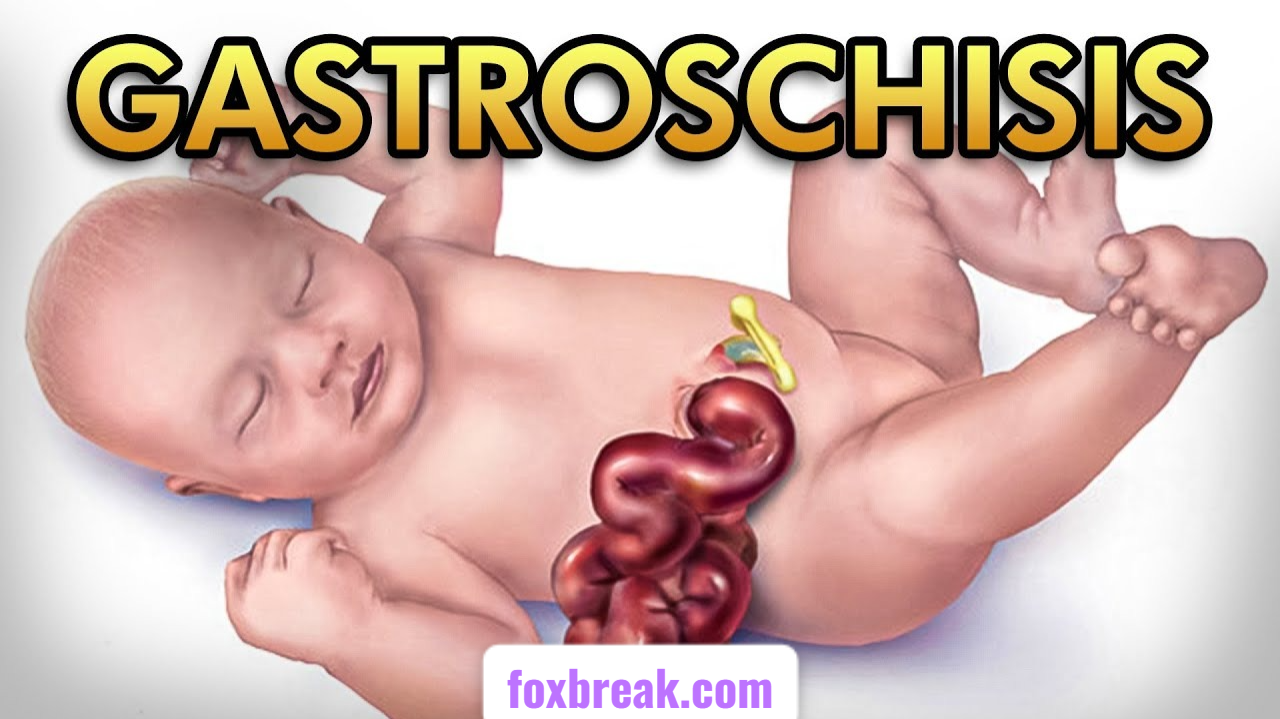
Gastroshiza is a digestive disorder caused by genetic, environmental, and lifestyle factors. Symptoms include bloating, nausea, abdominal pain, and irregular digestion. Diagnosis requires medical evaluation and tests, while treatment involves medication, dietary adjustments, and lifestyle changes. Early detection prevents complications and improves quality of life.
Gastroshiza affects the stomach and intestines, often linked to genetics, diet, and environmental factors. This article explains its causes, symptoms, diagnosis, treatment options, and long-term effects. It also provides practical lifestyle tips, nutrition guidance, and support strategies. By understanding gastroshiza thoroughly, teens and adults can take proactive steps to manage symptoms, prevent complications, and maintain a healthier digestive system. The language is simple, engaging, and authoritative, making it easy to follow for young readers and anyone seeking clear guidance on this condition.
What is Gastroshiza? Understanding the Condition
Gastroshiza is a digestive disorder that disrupts normal stomach and intestinal function, causing discomfort and digestive issues. Symptoms may range from mild bloating to severe abdominal pain. The condition can affect nutrient absorption, leading to fatigue or weakness in some patients. Genetics, diet, stress, and environmental factors often play a role in its development. Early recognition and management can reduce complications and improve quality of life. Understanding the condition is crucial to adopting proper treatment, lifestyle changes, and preventive measures for both teens and adults.
Who is at Risk for Gastroshiza? Key Factors
Several factors increase the risk of gastroshiza. People with a family history of digestive disorders are more susceptible. High-stress lifestyles, irregular eating habits, poor diet, and exposure to environmental toxins can trigger symptoms. Age may influence how symptoms present, with teens often experiencing nausea and fatigue, while adults may have chronic bloating or pain. Recognizing risk factors early allows individuals to take preventive steps, such as maintaining a balanced diet, practicing stress management, and scheduling regular medical checkups.
Causes of Gastroshiza: What Triggers the Condition
Gastroshiza develops due to a combination of triggers. Genetics may predispose someone to weaker digestive function. Lifestyle habits, including irregular meals, poor diet, and high stress, often worsen symptoms. Environmental factors like contaminated food, infections, or toxins can also contribute. Identifying these causes is essential for effective management and treatment. By understanding what triggers gastroshiza, patients can take proactive steps to reduce flare-ups, improve digestion, and enhance overall digestive health.
Genetic and Environmental Factors Behind Gastroshiza
Genetic predisposition increases susceptibility to gastroshiza, making certain individuals more prone to digestive issues. Environmental influences such as foodborne bacteria, infections, and chronic stress may aggravate symptoms. Research shows that combining medical treatment with healthy lifestyle practices can reduce the impact of these factors. Managing stress, eating a balanced diet, and avoiding harmful environmental exposures are key strategies in preventing symptoms from worsening. Early intervention can significantly improve long-term outcomes and quality of life for patients.
Symptoms of Gastroshiza: Early Warning Signs to Watch
Gastroshiza symptoms usually appear gradually. Common early signs include abdominal pain, bloating, nausea, indigestion, and irregular bowel movements. Some patients may experience fatigue, loss of appetite, or discomfort after eating certain foods. Recognizing these warning signs allows patients to seek timely medical attention, which can prevent complications. Understanding symptom patterns also helps in tracking triggers and implementing lifestyle changes. Early detection and proper management are crucial for controlling symptoms and improving digestive health.
Also read this :Tahini Uncovered: The Nutty Middle Eastern Paste You’ve Been Missing
Common Gastroshiza Symptoms in Adults and Teens
Adults often experience chronic bloating, acid reflux, irregular bowel movements, and stomach cramps. Teens may show nausea, fatigue, or digestive discomfort linked to stress or diet. Both age groups benefit from recognizing symptoms early and seeking medical advice. Awareness of how gastroshiza manifests across age groups improves diagnosis accuracy and helps create effective treatment plans that cater to individual needs, ultimately reducing discomfort and preventing complications.
Diagnosis of Gastroshiza: How Doctors Identify It
Diagnosis involves a detailed medical history, physical examination, and specialized tests. Blood work, stool analysis, and imaging studies help identify underlying causes. Accurate diagnosis is essential for determining the best treatment plan. Patients should provide a clear symptom history to their doctor, including diet, stress levels, and lifestyle habits. Timely diagnosis reduces the risk of long-term complications and allows for early intervention, improving overall outcomes and quality of life for those affected.
Tests and Procedures Used for Gastroshiza Diagnosis
Doctors may recommend endoscopy, colonoscopy, or abdominal ultrasound to examine the digestive tract. These tests help detect abnormalities, rule out other conditions, and assess the severity of gastroshiza. Regular monitoring ensures that treatment remains effective, allowing adjustments as needed. Early diagnostic intervention is key to preventing symptom progression and minimizing long-term digestive issues.
Treatment Options for Gastroshiza: Medical Approaches
Treatment depends on symptom severity and underlying causes. Medications may include antacids, anti-inflammatory drugs, or digestive enzymes. Doctors often combine medical treatments with dietary adjustments, hydration, and stress management strategies. Severe cases may require specialized interventions. Patients benefit most from a holistic approach that addresses both physical symptoms and lifestyle factors to achieve long-term relief and prevent recurrence.
Alternative and Complementary Treatments for Gastroshiza
Complementary treatments such as probiotics, herbal remedies, and stress-reduction techniques can support digestive health. Practices like yoga, meditation, or acupuncture may alleviate symptoms when combined with conventional medicine. Studies show that integrating alternative methods improves gut health and reduces discomfort. Patients should consult healthcare professionals before starting any complementary therapy to ensure safety and effectiveness alongside prescribed treatments.
Long-term Effects and Potential Complications
If untreated, gastroshiza can lead to chronic digestive problems, nutrient deficiencies, and fatigue. In rare cases, prolonged inflammation may cause infections or more severe gastrointestinal disorders. Monitoring symptoms, following treatment plans, and maintaining a healthy lifestyle are essential to preventing these complications. Early intervention improves overall outcomes and helps patients manage symptoms effectively while reducing the risk of long-term health issues.
Lifestyle Changes to Manage Gastroshiza Effectively
Lifestyle modifications are crucial in managing gastroshiza. Eating smaller, balanced meals, avoiding trigger foods, and staying hydrated can reduce digestive stress. Regular exercise improves metabolism and gut function, while stress management techniques help prevent symptom flare-ups. Patients should also maintain consistent sleep patterns and limit alcohol or caffeine intake. Implementing these changes supports overall digestive health and enhances treatment effectiveness.
Diet and Nutrition Tips for Gastroshiza Patients
A diet rich in fiber, lean proteins, and probiotics promotes gut health. Avoiding processed foods, excess sugar, and spicy meals prevents flare-ups. Keeping a food diary helps identify triggers and monitor progress. Incorporating whole grains, fruits, vegetables, and fermented foods enhances digestion. Combining proper nutrition with medical treatment and lifestyle adjustments significantly improves symptom management.
Coping with a Gastroshiza Diagnosis: Emotional and Support Strategies
Receiving a gastroshiza diagnosis can be emotionally challenging. Support from family, friends, or support groups is invaluable. Counseling, mindfulness practices, and connecting with others facing similar challenges improve coping mechanisms. Emotional well-being plays a key role in symptom management and overall quality of life. Patients who actively seek support tend to have better outcomes and adapt more effectively to lifestyle changes and treatment plans.
Conclusion: Key Takeaways About Gastroshiza
Gastroshiza is manageable with early diagnosis, proper treatment, and lifestyle adjustments. Understanding causes, recognizing symptoms, and following medical guidance empowers patients to control the condition. Emotional support and dietary changes further improve quality of life. If you experience persistent digestive issues, consult a healthcare professional promptly to begin effective management and prevent complications. Proactive steps today can lead to better digestive health tomorrow.
FAQs About Gastroshiza
Q1: What is the main cause of gastroshiza?
A: Gastroshiza is caused by genetics, poor diet, stress, and environmental factors like infections or toxins.
Q2: Can teenagers get gastroshiza?
A: Yes, teens can develop gastroshiza, often linked to diet, stress, and hormonal changes.
Q3: How is gastroshiza diagnosed?
A: Diagnosis involves medical history, physical exams, blood tests, stool tests, and imaging like endoscopy or ultrasound.
Q4: Are there home remedies for gastroshiza?
A: Probiotics, dietary changes, hydration, and stress management can help alongside medical treatment.
Q5: What foods should gastroshiza patients avoid?
A: Avoid processed foods, high sugar, spicy foods, and excess caffeine to reduce symptoms.
Q6: Can gastroshiza be cured completely?
A: There’s no permanent cure, but symptoms can be managed effectively with treatment and lifestyle changes.
Q7: Does stress affect gastroshiza?
A: Yes, stress can worsen symptoms, making stress management essential for better control
For more info :foxbreak.com
