
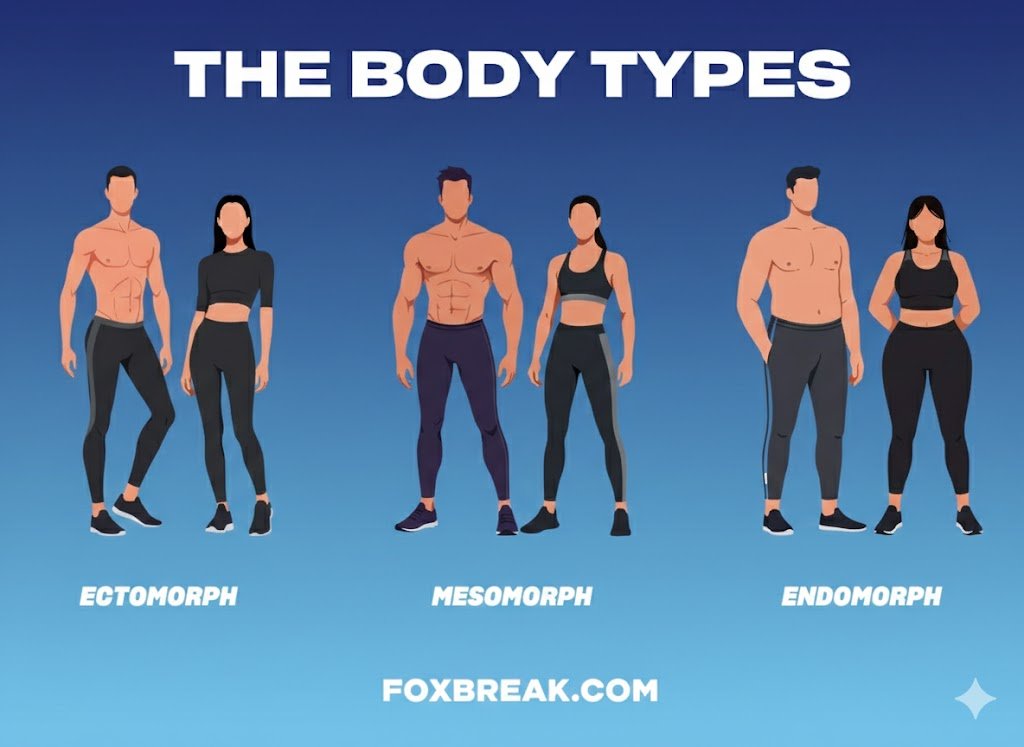
The mesomorph body type is naturally muscular, athletic, and capable of gaining muscle easily while maintaining low fat. Mesomorphs excel in strength and endurance, respond well to training, and benefit from balanced nutrition. Their metabolism supports muscle growth, making them ideal candidates for sports and fitness programs tailored to enhance natural strength and agility.
The mesomorph body type is one of the three main somatotypes, known for its natural muscularity, strength, and athletic potential. Individuals with this body type gain muscle easily and maintain a lean physique with consistent training. This article explores mesomorph physical traits, metabolism, training strategies, nutrition guidelines, and sports compatibility. It also examines historical context, scientific insights, and practical tips to help mesomorphs maximize their fitness and health.
What Is a Mesomorph Body Type?
The mesomorph body type is characterized by a naturally athletic build, strong muscles, and a well-proportioned physique. Unlike ectomorphs or endomorphs, mesomorphs have a higher proportion of lean muscle mass and a metabolism that allows them to gain or lose weight efficiently. They are naturally predisposed to physical activity, which makes them more responsive to exercise routines and strength training. For teens and young adults, understanding this body type can help in designing effective workout and nutrition plans. Studies suggest that approximately 35–40% of the population have mesomorphic traits, though pure mesomorphs are relatively rare. Their physical structure offers advantages in both anaerobic and aerobic activities, making them versatile in sports ranging from sprinting to swimming.
Historical Background of the Mesomorph Concept
The concept of somatotypes was developed in the 1940s by psychologist William Sheldon, who categorized human bodies into ectomorph, mesomorph, and endomorph types. Sheldon linked physical traits with personality characteristics, although modern science focuses primarily on the physiological and fitness aspects. Historically, mesomorphs were seen as ideal warriors due to their muscular build and stamina. Over time, the classification evolved to emphasize training, nutrition, and athletic performance rather than personality traits. Today, fitness professionals and researchers use the mesomorph concept to create personalized exercise programs that capitalize on natural strengths and optimize body composition.
Physical Characteristics Commonly Seen
Mesomorphs are often recognized by broad shoulders, narrow waist, and a naturally muscular frame. They tend to have strong bones, prominent muscles, and symmetrical body proportions. Skin tends to be firm, and fat is distributed evenly rather than accumulating in specific areas. Height varies, but mesomorphs typically have a medium to large skeletal structure. Common physical traits include a well-defined chest, thick thighs, and a strong back. These characteristics allow for superior strength and power generation, giving mesomorphs an edge in weight training, sprinting, and explosive sports movements.
Muscle Growth and Strength Potential
One of the defining traits of mesomorphs is their ability to build muscle efficiently. Compared to other body types, they respond quickly to resistance training, hypertrophy workouts, and high-intensity interval training (HIIT). Studies show that mesomorphs have higher levels of fast-twitch muscle fibers, which support explosive strength and power. This makes them excellent candidates for strength sports like weightlifting, martial arts, and track events. Consistent training combined with proper nutrition allows mesomorphs to maintain muscle definition while staying lean. Strategic workout plans targeting compound movements, progressive overload, and adequate recovery are key to maximizing their natural potential.
Also read this :Cevurı Meaning & Origin: The Ultimate Guide You Need to Know
Metabolism and Fat Distribution
Mesomorphs generally enjoy a balanced metabolism, which allows them to gain muscle without excessive fat accumulation. They store fat evenly, avoiding the concentrated fat storage often seen in endomorphs. Their metabolism is faster than endomorphs but slightly slower than ectomorphs, giving them flexibility in dietary choices. To maintain a lean physique, mesomorphs benefit from a combination of strength training, cardio, and a diet rich in protein, complex carbohydrates, and healthy fats. Understanding their metabolism helps in preventing overtraining or unnecessary calorie restriction while maximizing performance and muscle gain.
Athletic Performance and Sports Compatibility
Mesomorphs excel in most sports due to their natural strength, agility, and endurance. They are well-suited for activities requiring power, speed, and coordination, including football, basketball, swimming, sprinting, and gymnastics. Their balanced muscle-to-fat ratio and fast-twitch fibers enable quick bursts of strength and sustained athletic performance. Coaches often design training regimens that capitalize on these traits, emphasizing explosive movements, agility drills, and endurance conditioning. Scientific studies highlight that mesomorphs outperform other body types in mixed-sport activities, making them versatile athletes capable of adapting to diverse physical challenges.
Ideal Training Approach
Mesomorphs benefit from a balanced training program that includes strength training, cardiovascular exercises, and flexibility work. Compound lifts like squats, deadlifts, and bench presses help maximize muscle growth, while HIIT and circuit training support endurance and fat metabolism. Mesomorphs can train frequently without significant overtraining if they manage recovery properly. Alternating heavy lifting with lighter functional exercises ensures long-term progress. Training for mesomorphs should also include mobility exercises to prevent injuries, especially in high-impact sports. Personalizing intensity, volume, and rest periods is essential to harness their natural strength.
Nutrition Guidelines for Long-Term Balance
Nutrition plays a critical role in optimizing a mesomorph’s physique. A balanced diet includes high-quality protein to support muscle growth, complex carbohydrates for energy, and healthy fats for hormone regulation. Mesomorphs may need 1.2–1.8 grams of protein per kilogram of body weight daily to support training demands. Timing meals around workouts enhances performance and recovery. Hydration and micronutrients are equally important for maintaining energy levels, bone health, and immune function. Avoiding excessive processed foods and sugary drinks helps maintain lean mass and overall health.
Are Pure Mesomorphs Common?
Pure mesomorphs are relatively rare. Most individuals exhibit mixed somatotypes, combining traits of ectomorphs and endomorphs with mesomorphic characteristics. Despite this, understanding mesomorph tendencies is valuable for designing tailored training and nutrition programs. Even those with mixed traits can adopt mesomorph-focused strategies to enhance muscle growth, strength, and athletic performance. Recognizing body type limitations and strengths ensures realistic goal-setting and prevents frustration in fitness programs.
Scientific View and Modern Relevance
Modern research emphasizes genetics and lifestyle over strict somatotype categories. While body type influences natural tendencies, diet, exercise, and recovery are critical in shaping outcomes. Studies confirm that mesomorphic traits correlate with higher fast-twitch fiber proportion, aiding strength and power. Fitness professionals now integrate mesomorph characteristics into personalized programming, emphasizing the interplay of genetics, training intensity, and nutrition. Understanding mesomorph science helps optimize performance while minimizing injury risk and enhancing long-term health outcomes.
Lifestyle Habits That Maximize Potential
Mesomorphs thrive when they adopt consistent fitness routines, balanced nutrition, and sufficient rest. Prioritizing sleep, stress management, and active recovery ensures sustainable muscle growth and metabolic efficiency. Engaging in varied sports or fitness activities prevents plateaus and keeps training enjoyable. Additionally, monitoring progress through measurable metrics like strength gains, body composition, and endurance performance helps refine programs. Positive lifestyle habits maximize natural advantages and support holistic health.
Mesomorph Strength Secrets: Boost Power Safely
Mesomorphs can enhance strength and explosive power through targeted resistance training. Key strategies include progressive overload, periodization, and incorporating compound lifts. Power-based exercises like cleans, snatches, and plyometrics further exploit fast-twitch muscle fibers. Proper form, technique, and recovery reduce the risk of injury, allowing consistent performance improvements. Tracking workouts and gradually increasing intensity ensures long-term strength gains without overtraining.
Common Mistakes Mesomorphs Make
Despite natural advantages, mesomorphs often make mistakes such as overtraining, neglecting cardio, or consuming excessive calories. Some rely solely on genetics rather than structured programs, leading to plateaus. Failing to balance strength, endurance, and flexibility training can result in injuries or imbalanced physique. Nutrition mistakes, like ignoring protein requirements or overindulging in processed foods, hinder results. Awareness of these pitfalls allows mesomorphs to optimize fitness progress efficiently.
Balancing Health and Fitness: Long-Term Tips
Long-term success for mesomorphs involves maintaining fitness consistency, recovery, and dietary balance. Combining strength, cardiovascular, and mobility training ensures longevity. Monitoring calorie intake, macronutrient ratios, and hydration supports lean muscle retention. Incorporating rest days, stretching, and mindfulness practices prevents burnout. Sustainable habits allow mesomorphs to enjoy physical activity, maintain performance, and promote lifelong health.
Mesomorph Body Type Summary: Key Takeaways & Action Plan
Mesomorphs possess natural muscularity, strength, and athletic potential. By combining structured training, balanced nutrition, and healthy lifestyle habits, they can maximize their body type advantages. Understanding metabolism, muscle growth tendencies, and fat distribution helps in creating effective fitness plans. Consistency, monitoring progress, and avoiding common pitfalls ensure optimal performance. Embrace your natural strengths and design a program that supports long-term health, fitness, and peak athletic power.
Conclusion & Call-to-Action
The mesomorph body type offers natural strength, athleticism, and muscle-building potential. By understanding physical traits, metabolism, training strategies, and nutrition, mesomorphs can unlock their full potential. Implement structured programs, maintain a balanced lifestyle, and track progress consistently. Start today by adopting a personalized fitness and nutrition plan to maximize your natural advantages and achieve peak performance.
FAQs
1. What exercises are best for mesomorph body type?
Compound lifts, HIIT, plyometrics, and functional training maximize strength and muscle growth for mesomorphs.
2. Can mesomorphs gain fat easily?
Mesomorphs store fat evenly and have moderate metabolism, so maintaining a balanced diet prevents excess fat gain.
3. How fast do mesomorphs build muscle?
They generally gain muscle faster than ectomorphs, often seeing noticeable results within 6–8 weeks of consistent training.
4. What sports are mesomorphs naturally good at?
Mesomorphs excel in sports requiring power, speed, and agility, such as football, basketball, sprinting, and swimming.
5. Do mesomorphs need special diets?
A balanced diet with high-quality protein, complex carbs, and healthy fats supports their muscle and energy needs.
6. Are pure mesomorphs common?
Pure mesomorphs are rare; most people have mixed body types with some mesomorphic traits.
7. How can mesomorphs maximize strength safely?
Through progressive overload, proper technique, compound lifts, and adequate recovery while avoiding overtraining.
For more info: foxbreak.com
