
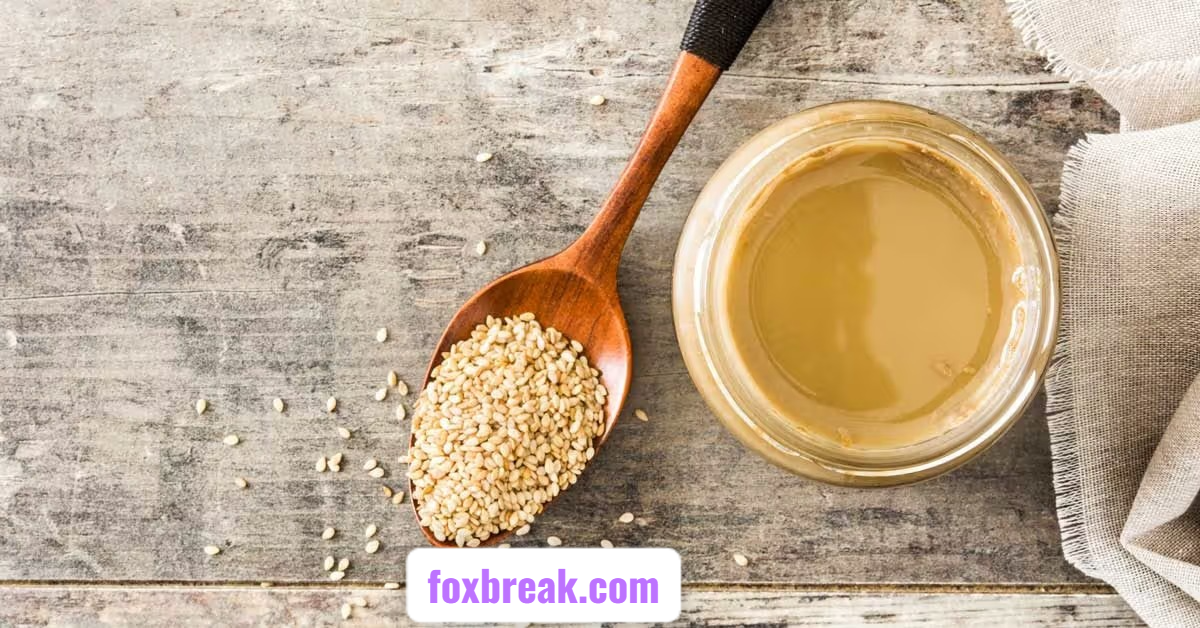
Tahini is a creamy paste made from ground sesame seeds, popular in Middle Eastern cuisine. It is rich in protein, healthy fats, and essential minerals, making it nutritious and versatile. Tahini can be used in dips like hummus, dressings, spreads, and desserts. Its nutty flavor enhances both savory and sweet dishes, and it is suitable for vegan and gluten-free diets.
Tahini is a smooth, nutty paste made from sesame seeds, treasured in Middle Eastern cooking. Known for its rich flavor and versatility, it is used in dips, sauces, dressings, baked goods, and desserts. Packed with protein, healthy fats, calcium, and magnesium, tahini supports overall health while adding creamy texture to dishes. This guide explores its origins, production, nutrition, recipes, storage tips, and global culinary uses. Whether homemade or store-bought, tahini remains a must-have pantry ingredient for anyone seeking flavorful, nutritious meals.
What is Tahini?
Tahini is a smooth paste made by grinding sesame seeds, often with a little oil for texture. Its nutty, slightly bitter flavor makes it essential in Middle Eastern cuisine. It is used in dips like hummus, sauces, dressings, spreads, and desserts. Tahini is versatile, fitting both sweet and savory dishes. People enjoy it straight from the jar, mixed into recipes, or as a protein-rich topping. Its creamy texture and rich taste make it a pantry staple worldwide.
The Origins of Tahini
Tahini dates back thousands of years to ancient Mesopotamia and the Levant region. Early cooks ground sesame seeds into a paste for both everyday meals and festive dishes. Over time, it spread across Europe, North Africa, and eventually the Americas, adapting to local cuisines while maintaining its signature flavor. Historically, it was valued for nutrition and shelf stability. Today, tahini is a global ingredient in home kitchens and restaurants alike, retaining its cultural significance and culinary heritage.
How Tahini is Made
Tahini is made by lightly toasting sesame seeds, grinding them into a paste, and adding oil for smoothness. Some commercial varieties include salt or stabilizers, but traditional recipes rely solely on sesame seeds. Homemade tahini allows control over flavor and texture, while factory-made versions offer convenience. Fresh, high-quality seeds produce a richer aroma and better taste. Whether for cooking or baking, understanding the process helps in selecting or making the best tahini.
Nutrition and Health Benefits
Tahini is nutrient-rich, providing protein, fiber, healthy fats, and essential minerals like calcium, magnesium, and iron. Studies suggest that sesame seeds can support heart health, bone strength, and reduce inflammation. It is a plant-based protein source, perfect for vegetarians and vegans. Consuming tahini in moderation can promote satiety, helping with weight management. Its combination of nutrients and versatile use makes it both delicious and beneficial for overall health.
Traditional vs Modern Tahini
Traditional tahini uses minimal processing: toasted sesame seeds ground into paste with no additives. Modern commercial varieties may include oil, salt, or preservatives to extend shelf life. Traditional tahini is often more aromatic with a slightly bitter taste, while modern versions are smoother and milder. Flavor, texture, and quality depend on the seeds and method. Choosing between traditional and modern depends on preference, cooking style, and the dish being prepared.
Step-by-Step Homemade Tahini Recipe
Toast the Sesame Seeds: Lightly toast 1 cup of seeds until golden brown.
Cool the Seeds: Let seeds cool to preserve aroma.
Grind the Seeds: Process into a coarse paste.
Add Oil: Mix 2–3 tablespoons of neutral oil for creaminess.
Store: Refrigerate in a sealed jar for 4–6 weeks. Homemade tahini is fresh, flavorful, and perfect for dips, spreads, and baking.
Tips for Creamy, Rich Flavor
Use freshly toasted seeds for maximum aroma. Blend longer for ultra-smooth consistency. Stir tahini before use, as natural oil separates over time. Avoid over-toasting, which can create bitterness. For sweet dishes, add a touch of honey; for savory, mix with lemon or garlic. High-quality seeds improve flavor and texture, making recipes more satisfying. Experiment with different oils and seeds to find your preferred creaminess.
Also read this :FUPA Uncovered: Proven Secrets to Burn Lower Belly Fat & Tighten Skin
Storing Tahini for Freshness
Store tahini in a cool, dark place or the refrigerator. Avoid sunlight, which can reduce shelf life. Stir occasionally to prevent oil separation. Homemade tahini lasts 4–6 weeks, while commercial varieties with preservatives may last longer. Proper storage preserves flavor, texture, and nutritional value, ensuring the paste remains ready for cooking, baking, or dips.
How to Choose Quality Tahini
Select tahini with sesame seeds as the main ingredient and minimal additives. Organic, stone-ground, or hulled varieties are often more flavorful. Avoid tahini with excessive oil, preservatives, or artificial flavors. Taste and texture matter—smooth and rich consistency indicates freshness. Investing in quality tahini enhances both nutrition and flavor in all recipes.
Culinary Uses: Savory & Sweet
Tahini is used in hummus, sauces, salad dressings, baked goods, and desserts. Its nutty taste complements garlic, lemon, honey, chocolate, and spices like cumin or cinnamon. It can be a topping, dip, or main ingredient. Sweet recipes include halva and tahini cookies, while savory dishes feature dips, spreads, and sauces. Tahini’s versatility makes it ideal for creative cooking worldwide.
Tahini vs Other Nut Butters
Tahini has a thinner texture and slightly bitter, earthy flavor compared to peanut or almond butter. It works well in both sweet and savory recipes. Nutritionally, it offers more calcium and magnesium. Unlike thicker nut butters, tahini blends easily into sauces and dressings. Its unique flavor makes it irreplaceable in Middle Eastern cuisine while still versatile enough for global dishes.
Global Tahini Recipes
Tahini is used in Lebanese, Israeli, Turkish, Greek, and North African cuisines. Popular dishes include hummus, baba ghanoush, tahini dressings, and desserts like halva. Chefs worldwide adapt tahini to local tastes, pairing it with chocolate, dates, or spices. Its universal appeal makes it a staple ingredient in restaurants, home kitchens, and modern fusion dishes.
Vegan & Gluten-Free Benefits
Tahini is naturally vegan and gluten-free, making it suitable for various diets. It provides plant-based protein and healthy fats, supporting heart and bone health. Allergy-friendly options exist for those avoiding peanuts or dairy. Its versatility allows inclusion in a wide range of dietary plans without compromising taste or nutrition.
Flavor Pairings & Enhancements
Tahini pairs with lemon, garlic, honey, chocolate, herbs, and spices like cumin or paprika. Combining it with sweet or savory ingredients enhances recipes. Use tahini in dips, spreads, dressings, sauces, or desserts to elevate flavor. Small additions can transform ordinary meals into rich, aromatic dishes.
Tahini Business & Sustainability
Sesame farming is labor-intensive, and sustainable production supports fair trade and environmental practices. Small businesses can profit from rising global demand for plant-based foods. Artisanal tahini offers quality, taste, and ethical value. Awareness of sourcing, packaging, and marketing can help grow a successful tahini-focused business while promoting sustainability.
Conclusion & Call-to-Action
Tahini is a versatile, nutrient-packed paste with rich flavor and cultural history. From hummus to desserts, it enhances taste, texture, and nutrition in countless dishes. Using quality tahini—homemade or store-bought—elevates meals and supports a healthy diet. Try incorporating tahini into your recipes today and experience the unique nutty flavor that has captivated kitchens worldwide.
(FAQs)
Q1: Can tahini be used in desserts?
Yes, it adds nutty flavor to cakes, cookies, and halva.
Q2: How long does tahini last?
Homemade lasts 4–6 weeks; store-bought may last up to a year.
Q3: Is tahini good for weight loss?
Yes, in moderation, it provides healthy fats and protein.
Q4: Can I use tahini instead of peanut butter?
Yes, it works well in spreads, smoothies, and baking.
Q5: What is the difference between hulled and unhulled tahini?
Hulled is smoother and milder; unhulled has more fiber and stronger flavor.
Q6: How to prevent tahini from separating?
Store in the fridge and stir before use.
Q7: Can tahini be frozen?
Yes, it freezes well for several months without losing flavor.
For more info :foxbreak.com
