





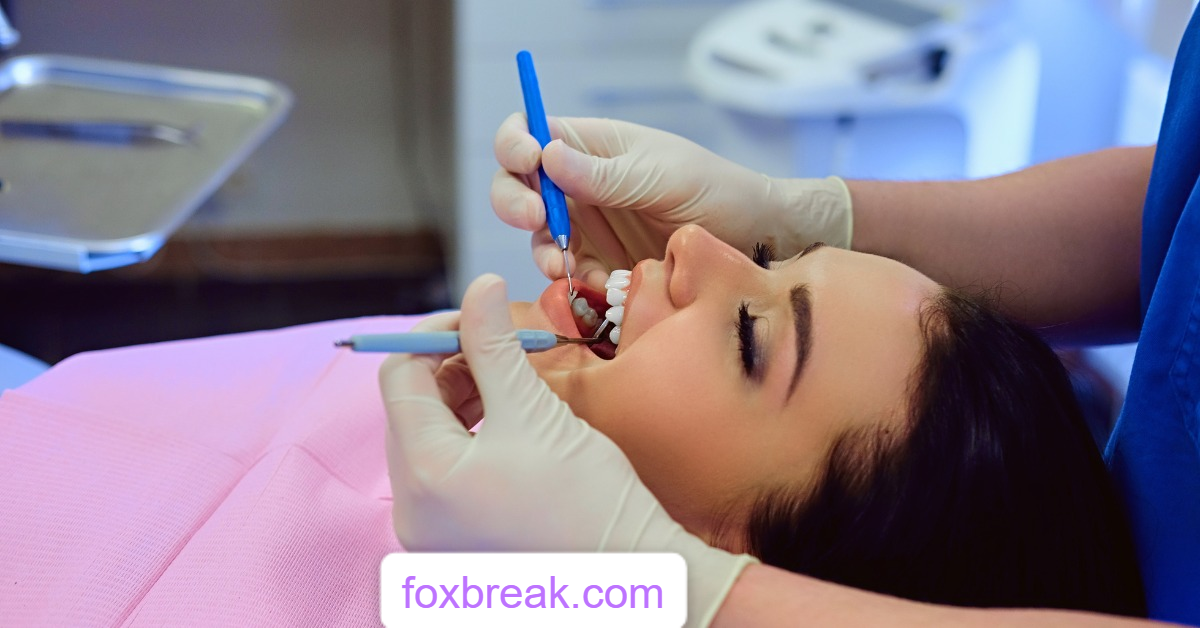
Dentiloquent speech is not just about speaking clearly—it’s about creating a profound connection through the power of words. It combines precise articulation, careful modulation of tone, and deliberate pacing to ensure every word resonates with impact. Those who practice dentiloquent techniques often experience not only improved communication but also increased confidence, social influence, and subtle health benefits such as strengthened jaw and facial muscles. By consciously mastering dentiloquent speech, individuals can transform ordinary conversations into memorable exchanges, enhance their professional presence, and even boost emotional intelligence. Whether you are negotiating a business deal, giving a presentation, or engaging in a casual conversation, dentiloquent speech ensures that your words carry weight, authority, and clarity.
Introduction
Dentiloquent may seem like a term reserved for linguists or public speakers, but its principles can benefit anyone seeking to communicate effectively. It is a holistic approach that emphasizes not only verbal articulation but also the physical and emotional components of speech. Practicing dentiloquent techniques strengthens the oral muscles, improves breathing, and fine-tunes pitch and tone, making speech more confident and persuasive. Beyond the mechanics, it enhances emotional connection with listeners, allowing speakers to convey intent, empathy, and authority simultaneously. In a world where attention is fragmented and clarity is highly valued, mastering dentiloquent speech provides a significant advantage. By combining traditional rhetoric principles with modern communication strategies, it offers a practical path toward personal and professional excellence.
The Meaning of Dentiloquent: More Than Just Words
The term dentiloquent is derived from “denti,” meaning teeth, and “eloquent,” highlighting the connection between articulation and expressive communication. It underscores how proper speech begins with precise physical control of the mouth, tongue, and jaw, ensuring every syllable is delivered clearly. Dentiloquent speech is far more than reciting words correctly—it is about creating resonance, emotion, and presence in every sentence. This method allows individuals to communicate with authority while fostering trust and engagement. Imagine speaking to an audience where each word lands exactly as intended, every pause builds suspense, and each inflection conveys emotion naturally. Dentiloquent techniques make that possible, turning ordinary speech into a tool for influence, connection, and lasting impact.
How Dentiloquent Speech Impacts Health & Wellness
Dentiloquent speech is not just a mental or social exercise—it has measurable physical benefits. Practicing articulation exercises strengthens jaw, tongue, and facial muscles, improving overall oral health and reducing tension in the face and neck. Controlled breathing, a key element of dentiloquent speech, enhances oxygen flow and reduces stress, promoting calmness and focus. Over time, consistent practice can decrease headaches caused by jaw tension, improve posture during speech, and even contribute to clearer breathing patterns. By combining cognitive focus, emotional awareness, and physical exercise, dentiloquent speech serves as a unique tool for holistic wellness. Those who integrate it into daily life often notice improved mental clarity, reduced anxiety during communication, and a heightened sense of confidence in social interactions.
The Linguistic Roots of Dentiloquent: Understanding Its Authority
Dentiloquent speech has deep historical roots, drawing from classical rhetoric, linguistics, and oratory traditions. Ancient scholars and orators recognized that the clarity of speech was inseparable from authority and persuasion. In classrooms and public forums, precise articulation was considered essential for credibility and influence. Modern dentiloquent techniques build upon this foundation, translating historical principles into practical exercises suitable for everyday life. The authority gained through dentiloquent speech comes not from volume or aggression, but from precision, timing, and mastery of language mechanics. By understanding its linguistic roots, speakers gain insight into why careful articulation and controlled expression command attention and respect across personal and professional interactions.
Dentiloquent in Daily Life: Practical Applications
Dentiloquent speech has far-reaching applications, from casual conversations to professional presentations. In social settings, it helps convey empathy, attention, and authenticity, allowing people to connect more deeply with others. In the workplace, dentiloquent techniques can improve negotiation outcomes, leadership presence, and overall effectiveness in meetings or presentations. Even daily tasks like storytelling, phone conversations, or teaching benefit from clear articulation and intentional pacing. By applying dentiloquent methods consistently, individuals notice that others listen more attentively, respond more thoughtfully, and engage more meaningfully. This approach transforms ordinary communication into a refined skill that can shape perceptions, foster trust, and amplify influence.
The Hidden Benefits of Dentiloquent Communication
While the primary goal of dentiloquent speech is effective articulation, the hidden benefits extend far beyond clarity. Improved mental focus, heightened emotional intelligence, and increased confidence often accompany regular practice. Speakers become more attuned to listener cues, adjusting tone, pace, and emphasis to maximize understanding and engagement. These benefits are particularly valuable in professional settings where credibility and persuasion are paramount. Additionally, dentiloquent practice can enhance memory retention and cognitive flexibility, as it requires coordination of breath, articulation, and emotional awareness simultaneously. Over time, these subtle advantages accumulate, making dentiloquent speech a holistic tool for personal development and social influence.
Strengthening Jaw & Facial Muscles Through Dentiloquent Speech
A unique aspect of dentiloquent speech is its physical dimension. Exercises focusing on tongue placement, jaw strength, and lip flexibility are essential for clear articulation. Repeated practice not only improves pronunciation but also prevents fatigue during extended speaking engagements. These exercises also contribute to facial symmetry and overall oral health, which are often overlooked in communication training. Controlled movements train the muscles to respond naturally during spontaneous speech, reducing hesitation and increasing clarity. By integrating these physical techniques, speakers can maintain precise articulation effortlessly, enhancing both verbal effectiveness and confidence in high-pressure situations.
Dentiloquent and Emotional Intelligence: Enhancing Social Connections
Dentiloquent speech enhances emotional intelligence by training speakers to pay attention to tone, cadence, and listener feedback. Effective communication is not just about delivering words—it’s about conveying empathy, understanding, and intention. Through careful practice, dentiloquent speakers learn to adjust their delivery based on social cues, fostering deeper connections and trust. This skill is particularly valuable in leadership, counseling, teaching, and any field that relies on interpersonal influence. Over time, consistent attention to expressive speech strengthens relationships, reduces misunderstandings, and creates meaningful engagement, making dentiloquent techniques a tool for both personal and professional enrichment.
Also read this : PPC Management Sydney Twastia.com – Boost ROI with Expert PPC Services
Why Dentiloquent Matters in the Modern World
In the fast-paced, digital era, clarity and presence are more valuable than ever. Dentiloquent speech ensures that words are not lost in noise, helping individuals stand out in meetings, webinars, podcasts, and video conferences. It also conveys professionalism and confidence, qualities that enhance personal branding and career advancement. Beyond professional advantages, dentiloquent techniques contribute to authentic and meaningful social interactions, making communication more satisfying and effective. As society increasingly values emotional intelligence alongside technical skills, the ability to speak with precision, clarity, and impact becomes a significant differentiator.
Conclusion: What Does Dentiloquent Mean?
Dentiloquent speech represents a fusion of technique, awareness, and expression. It emphasizes precise articulation, emotional resonance, and physical control, turning ordinary communication into a powerful tool for influence and connection. Through consistent practice, speakers gain clarity, confidence, and authority, impacting both personal and professional interactions. Dentiloquent is not merely a skill—it is a transformative approach that empowers individuals to communicate authentically and persuasively, leaving lasting impressions and fostering meaningful relationships.
Importance of Being Dentiloquent
Being dentiloquent equips individuals with the ability to convey ideas clearly, inspire trust, and influence outcomes. It strengthens relationships, enhances professional credibility, and improves emotional resonance. In everyday interactions, precise articulation reduces misunderstandings, fosters engagement, and builds rapport. Over time, the cumulative effect of dentiloquent practice elevates not only communication skills but also self-perception, confidence, and social influence, making it a vital skill in modern life.
Techniques to Develop Dentiloquent Speech
Focus on Pronunciation
Clear pronunciation forms the foundation of dentiloquent speech. By consciously articulating consonants and vowels, speakers enhance clarity and reduce misunderstandings. Pronunciation drills, reading aloud, and tongue twisters are effective tools that strengthen oral muscles and improve overall verbal precision.
Strengthen Oral Muscles
Exercises targeting the jaw, tongue, and lips improve endurance, flexibility, and control. Repeated practice ensures that articulation becomes effortless, even during long or high-pressure conversations. Simple exercises, such as exaggerated mouth movements or sustained vowel sounds, contribute significantly to mastery.
Controlled Breathing
Breathing directly impacts tone, projection, and clarity. Deep, measured breaths support confident speech, prevent vocal strain, and improve pacing. Coordinating breath with articulation creates a natural rhythm that enhances listener engagement and overall presence.
Slow Down
Speaking slowly allows the audience to absorb information fully, conveys confidence, and reduces filler words. Intentional pacing ensures that each word carries meaning, making communication more persuasive and memorable.
Record and Analyze
Recording speech and reviewing it critically allows for identification of weaknesses in tone, pace, and articulation. Regular analysis enables continuous improvement, ensuring that dentiloquent skills develop consistently over time.
Applications of Dentiloquent Speech
Dentiloquent techniques apply across diverse contexts: professional presentations, negotiations, teaching, and personal interactions. By ensuring clear articulation, intentional pacing, and emotional resonance, speakers can influence outcomes, build authority, and foster stronger connections. Even casual conversations benefit from these techniques, as clear, expressive speech enhances mutual understanding and trust. The versatility of dentiloquent speech makes it a valuable skill for virtually every area of life.
How Dentiloquent Speech Improves Personal Life
In personal interactions, dentiloquent speech improves clarity, emotional connection, and authenticity. Clear articulation reduces misunderstandings and conveys intent accurately, strengthening relationships. Emotional awareness cultivated through expressive speech enhances empathy and social perception. Over time, individuals who practice dentiloquent speech experience increased confidence, better social engagement, and a greater ability to influence and inspire others naturally.
Common Mistakes in Dentiloquent Practice
Common errors include rushing through words, neglecting breath control, ignoring facial muscle training, and focusing solely on vocabulary rather than emotional tone. Overemphasis on technical perfection can also stifle natural expression. Recognizing these pitfalls and maintaining balanced practice ensures progress, leading to speech that is both precise and emotionally engaging.
Developing Dentiloquent Speech Daily
Consistency is key to mastering dentiloquent speech. Daily routines—such as reading aloud, performing articulation exercises, and practicing mindful breathing—yield measurable improvement. Gradually increasing complexity, analyzing recordings, and engaging in social practice sessions reinforce skills. Over time, these small daily efforts culminate in enhanced clarity, confidence, and expressive ability.
Defining Dentiloquy: What is Oral Communication?
Dentiloquy is the art of oral expression, emphasizing clarity, emotional resonance, and physical control. Effective oral communication shapes perception, builds trust, and facilitates meaningful interaction. Dentiloquent techniques elevate this process by integrating physical, cognitive, and emotional elements into a cohesive, powerful mode of expression.
The Power of Words: Why Oral Communication Matters
Words are not mere symbols—they carry emotion, intent, and influence. Dentiloquent speech ensures that every word lands with impact, resonating with clarity and purpose. Strong oral communication opens doors, resolves conflicts, and fosters connection in ways written words alone cannot achieve. By refining articulation, tone, and pacing, speakers can transform interactions and leave lasting impressions.
Nonverbal Communication: The Importance of Body Language and Tone
Dentiloquent speech integrates nonverbal elements, including facial expressions, gestures, posture, and vocal tone. These cues reinforce spoken words, adding nuance, emotion, and authenticity. Mastering the coordination between verbal and nonverbal signals enhances credibility, engagement, and influence, creating a communication style that captivates listeners naturally.
How Dentiloquy Shapes Our Relationships and Interactions
Every conversation is an opportunity to connect, influence, and build trust. Dentiloquent speech refines interpersonal skills by combining clarity, emotional awareness, and attentive listening. This combination fosters empathy, reduces misunderstandings, and strengthens both personal and professional relationships. Over time, dentiloquent practice enhances social perception, making communication more effective, meaningful, and impactful.
Effective Strategies for Improving Your Oral Communication Skills
Improvement comes from integrating multiple practices: articulation exercises, breath control, vocal modulation, recording and feedback, and consistent social application. Emphasizing clarity, emotional resonance, and intentional pauses enhances impact. Dentiloquent strategies ensure that speech is precise, persuasive, and expressive, fostering connection and authority in every interaction.
Overcoming Challenges in Dentiloquent Interactions
Challenges like anxiety, distraction, and inconsistent practice can hinder progress. Gradual exposure to public speaking, mindful rehearsal, and constructive feedback help overcome these barriers. By addressing psychological and physical aspects simultaneously, speakers gain confidence and resilience, transforming obstacles into opportunities for growth.
The Impact of Dentiloquy on Our Personal and Professional Lives
Dentiloquent skills influence every facet of life. Professionally, they improve presentations, leadership, and negotiations, while personally they enhance relationships, empathy, and self-expression. By integrating clarity, articulation, and emotional awareness, dentiloquent speech strengthens influence, fosters trust, and creates lasting impressions, making it an essential skill for modern communication.
Conclusion
Dentiloquent speech is a powerful blend of articulation, emotional awareness, and physical precision. It transforms ordinary communication into a tool for influence, connection, and confidence. Consistent practice strengthens clarity, social impact, and personal presence, allowing every word to resonate with authority and authenticity. Dentiloquent is not merely a technique—it’s a transformative approach to communication that empowers speakers to leave a lasting impression, enhance relationships, and master the art of expressive speech.
FAQs About Dentiloquent Speech
1. What does dentiloquent mean?
Dentiloquent refers to precise, expressive speech that combines articulation, tone, and emotional awareness for impactful communication.
2. How can dentiloquent speech improve health?
Practicing dentiloquent speech strengthens jaw and facial muscles, enhances breathing, reduces tension, and promotes overall wellness.
3. Can dentiloquent skills enhance emotional intelligence?
Yes. Dentiloquent speech improves tone control, empathy, and social awareness, fostering stronger personal and professional relationships.
4. What are common techniques to develop dentiloquent speech?
Key techniques include focusing on pronunciation, strengthening oral muscles, controlled breathing, speaking slowly, and recording practice sessions.
5. How does dentiloquent speech help in daily life?
It improves clarity, confidence, and connection in conversations, presentations, negotiations, and casual social interactions.
6. What mistakes should I avoid in dentiloquent practice?
Avoid rushing words, neglecting breath control, ignoring facial exercises, and overemphasizing perfection over natural expression.
7. Why is dentiloquent important in the modern world?
Dentiloquent speech enhances authority, influence, and communication effectiveness, making it vital for professional and personal growth.
For more info :Foxbreak.com


