
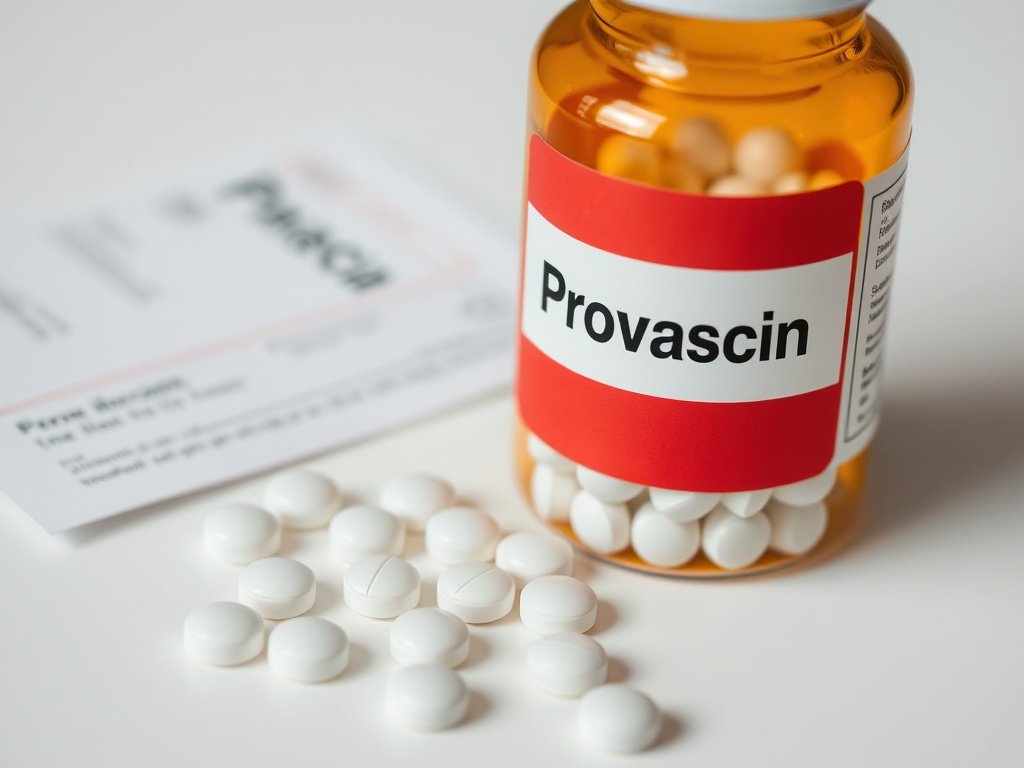
Provascin is often discussed online as a health-related compound or supplement associated with cardiovascular support, circulation improvement, and metabolic balance. People search for it to understand its benefits, safety, and possible medical relevance. While interest around it continues to grow, accurate knowledge about how it works, potential advantages, and responsible use is essential before considering it as part of any wellness strategy.
Provascin is a term increasingly appearing in discussions related to cardiovascular wellness and metabolic health. Many individuals search for it to understand whether it represents a supplement, a medical compound, or an emerging health formula. This guide explains the concept in depth, exploring how such compounds are typically designed to support circulation, heart health, and overall body balance. The article also examines potential benefits, safety considerations, scientific perspectives, and the role of lifestyle factors in achieving long-term wellness. By understanding the research context, ingredients commonly linked with similar formulas, and best practices for responsible use, readers can make informed decisions about cardiovascular support strategies and general health optimization.
Understanding the Concept Behind Modern Circulation Support
Modern health discussions increasingly focus on circulation and cardiovascular efficiency because the heart and blood vessels influence almost every function of the body. Proper circulation ensures that oxygen, nutrients, and hormones reach organs efficiently while waste products are removed through metabolic processes. When circulation becomes less efficient, fatigue, reduced energy, and long-term health complications can develop. Because of this, researchers and supplement developers constantly explore compounds designed to help maintain healthy blood flow and vascular flexibility.
Many wellness solutions today focus on supporting nitric oxide production, maintaining healthy cholesterol levels, and encouraging better metabolic balance. These factors collectively influence cardiovascular performance and overall vitality. Individuals seeking to improve heart health often explore nutritional supplements, lifestyle changes, and scientifically studied compounds. Understanding how these solutions work helps consumers make better decisions about the options they consider for maintaining healthy circulation and long-term wellness.
Origins and Background of Provascin
The term Provascin has appeared in various online discussions related to cardiovascular health and potential metabolic support formulas. Interest in such compounds generally arises from the increasing global focus on preventative health and natural wellness solutions. As heart disease remains one of the leading health concerns worldwide, people actively look for supportive options that may complement healthy lifestyle habits.
Many compounds that gain attention in this category are designed with ingredients believed to support vascular function, blood flow, and cellular energy. These formulations are typically built around research on antioxidants, amino acids, and plant extracts known for their potential benefits to the circulatory system. While interest continues to grow, understanding the background and context of emerging compounds is important before assuming their effectiveness or safety. Responsible research and informed decision-making are key parts of any health-related exploration.
How Circulation and Cardiovascular Health Work
To understand why compounds associated with heart health gain popularity, it helps to understand the fundamentals of circulation. The cardiovascular system includes the heart, arteries, veins, and capillaries. Together, these components transport blood throughout the body, ensuring that every cell receives oxygen and nutrients.
When arteries remain flexible and open, blood can move freely without placing excessive pressure on the heart. However, lifestyle factors such as poor diet, lack of exercise, smoking, and chronic stress can gradually reduce vascular efficiency. Over time, this can lead to increased blood pressure, reduced stamina, and other cardiovascular challenges.
For this reason, many wellness strategies focus on maintaining healthy blood vessels and encouraging balanced circulation. Proper nutrition, regular physical activity, stress management, and adequate sleep all contribute to a stronger cardiovascular system and improved long-term health outcomes.
Potential Health Benefits Associated With Cardiovascular Support Compounds
Compounds designed for cardiovascular wellness are often associated with several potential health benefits. While effectiveness varies depending on formulation and individual physiology, these products typically aim to support multiple aspects of circulatory function.
Possible advantages commonly discussed include:
- Improved blood flow and oxygen delivery throughout the body
- Support for healthy blood pressure levels
- Enhanced energy and stamina during daily activities
- Protection against oxidative stress affecting blood vessels
- Better metabolic balance and overall wellness support
These benefits usually result from a combination of ingredients that influence nitric oxide production, antioxidant activity, and cellular metabolism. However, results depend heavily on lifestyle habits, diet, and overall health condition. Supplements alone rarely replace the foundational role of exercise, balanced nutrition, and regular medical checkups.
Key Ingredients Often Linked to Circulatory Wellness
Many circulation-support formulas rely on well-studied natural compounds that have shown potential benefits in scientific research. These ingredients typically work together to support vascular flexibility, blood flow, and metabolic health.
Common ingredients often found in similar formulations include:
| Ingredient | Potential Role |
| L-Arginine | Supports nitric oxide production and blood vessel relaxation |
| Coenzyme Q10 | Helps energy production in heart cells |
| Omega-3 Fatty Acids | Supports healthy cholesterol levels |
| Garlic Extract | Associated with blood pressure support |
| Hawthorn Berry | Traditionally used for cardiovascular wellness |
These ingredients have been studied for their potential impact on circulation and heart health. When combined in balanced formulas, they may contribute to improved vascular function and overall wellness.
Also read this: Sosoactive: Complete Guide to Boost Productivity and Lifestyle Naturally
Scientific Research on Cardiovascular Wellness Supplements
Scientific research on circulation support supplements continues to evolve. Many studies examine how specific nutrients and plant compounds affect vascular function, oxidative stress, and metabolic balance. Researchers often focus on nitric oxide production, endothelial health, and inflammation reduction as key mechanisms that influence cardiovascular performance.
Clinical studies frequently explore amino acids such as L-arginine and antioxidants like resveratrol or coenzyme Q10. These compounds have shown potential in supporting blood vessel dilation and improving cellular energy production. However, scientific findings vary depending on dosage, participant health conditions, and study design.
While research provides valuable insights, experts generally emphasize that supplements should complement healthy habits rather than replace them. Balanced nutrition, physical activity, and stress management remain the most reliable strategies for maintaining long-term cardiovascular health.
Lifestyle Factors That Influence Heart Health
Heart health is influenced by far more than supplements alone. Daily habits play a significant role in determining how well the cardiovascular system functions over time. Small lifestyle improvements can often produce measurable health benefits within weeks.
Key lifestyle practices include maintaining a balanced diet rich in vegetables, fruits, whole grains, and lean proteins. Regular exercise strengthens the heart muscle and improves circulation efficiency. Even moderate activities such as walking or cycling can significantly improve cardiovascular endurance.
Adequate sleep and stress management also play critical roles. Chronic stress can increase blood pressure and negatively affect metabolic processes. Mindfulness practices, relaxation techniques, and proper sleep schedules help restore hormonal balance and improve overall wellness.
Safety Considerations and Responsible Use
When exploring any health supplement or compound, safety should always remain a priority. People sometimes assume that products marketed for wellness are automatically safe for everyone, but this is not always the case. Individual health conditions, medications, and allergies can influence how the body reacts to certain ingredients.
Before adding any new supplement to a routine, consulting a qualified healthcare professional is strongly recommended. Medical guidance helps ensure compatibility with existing medications and health conditions. Responsible use also includes following recommended dosage guidelines and avoiding excessive consumption.
Consumers should also verify product quality by choosing reputable manufacturers that follow safety standards and transparent ingredient labeling. Responsible purchasing and informed decision-making are essential steps in protecting personal health.
The Role of Diet in Supporting Circulation
Nutrition remains one of the most powerful tools for maintaining cardiovascular health. A balanced diet can improve cholesterol levels, support healthy blood pressure, and provide antioxidants that protect blood vessels from oxidative damage.
Foods rich in fiber, healthy fats, and plant compounds contribute to improved metabolic balance. Examples include leafy vegetables, nuts, seeds, berries, whole grains, and fatty fish. These foods contain nutrients that support vascular flexibility and reduce inflammation.
Reducing excessive sugar, processed foods, and saturated fats also plays an important role. By combining healthy eating habits with regular physical activity, individuals can significantly reduce long-term cardiovascular risk while improving overall energy and wellbeing.
Exercise and Circulation Improvement
Physical activity directly strengthens the cardiovascular system. When the body exercises, the heart pumps faster to deliver oxygen to muscles, gradually improving endurance and circulation efficiency. Over time, this leads to stronger heart muscles and more flexible blood vessels.
Aerobic exercises such as walking, running, swimming, and cycling are particularly beneficial for circulation. Strength training also contributes by improving muscle metabolism and supporting healthy body composition. Even short daily workouts can improve cardiovascular performance when practiced consistently.
Experts often recommend at least 150 minutes of moderate physical activity per week. Combined with balanced nutrition and adequate rest, regular exercise forms one of the most effective strategies for maintaining long-term heart health.
Stress Management and Cardiovascular Balance
Chronic stress can negatively affect cardiovascular health in several ways. When the body experiences prolonged stress, hormones such as cortisol and adrenaline remain elevated. These hormones can increase blood pressure and place additional strain on the heart.
Stress management techniques help restore balance and support long-term wellness. Practices such as meditation, breathing exercises, yoga, and mindfulness can significantly reduce stress levels. Regular relaxation also improves sleep quality, which further supports cardiovascular function.
Maintaining healthy social relationships and engaging in enjoyable activities also contributes to emotional wellbeing. When mental health improves, the body often responds with better metabolic balance and improved circulation.
Modern Trends in Preventative Heart Health
Preventative health has become one of the fastest-growing areas in modern wellness discussions. Instead of waiting for illness to develop, people now focus on maintaining optimal health through proactive habits. This approach includes balanced nutrition, regular exercise, and careful monitoring of key health markers.
Technology has also played a major role in this shift. Wearable fitness devices allow individuals to track heart rate, activity levels, and sleep patterns. These insights encourage healthier daily routines and greater awareness of cardiovascular wellbeing.
As public awareness increases, research into nutritional compounds and supportive health formulas continues to expand. The goal is not to replace medical treatment but to strengthen overall wellness strategies through science-informed lifestyle practices.
Public Interest and Online Discussions
In recent years, internet searches related to circulation support and heart health have increased significantly. People frequently explore online resources to learn about emerging health topics and potential wellness solutions. This growing curiosity reflects a broader shift toward proactive healthcare.
Online discussions often include reviews, research summaries, and personal experiences related to different supplements or wellness strategies. While such information can be helpful, it is important to approach online content with critical thinking. Not all sources provide accurate or scientifically supported information.
Reliable health decisions should be based on credible research, professional medical guidance, and well-established scientific evidence rather than trends or marketing claims alone.
Evaluating Health Claims Carefully
Whenever a health product or compound gains attention, consumers should evaluate claims carefully. Marketing messages sometimes exaggerate benefits while overlooking potential limitations or safety considerations. Critical thinking helps protect consumers from unrealistic expectations.
A responsible evaluation process includes reviewing scientific studies, checking ingredient transparency, and verifying manufacturer credibility. Reading information from medical organizations and peer-reviewed research sources can also provide valuable insights.
Understanding that no single supplement can replace healthy habits is essential. Long-term wellness always results from a combination of balanced nutrition, physical activity, stress management, and responsible healthcare decisions.
Long-Term Cardiovascular Wellness Strategies
Achieving lasting cardiovascular health requires consistent effort rather than short-term solutions. Healthy routines developed today can significantly influence long-term wellbeing and quality of life. Simple daily habits often produce the greatest health benefits when practiced consistently over time.
Maintaining a balanced diet, exercising regularly, managing stress, and scheduling routine medical checkups form the foundation of preventative healthcare. These practices support heart strength, metabolic balance, and overall vitality.
By combining scientific knowledge with practical lifestyle choices, individuals can protect their cardiovascular system and reduce the risk of long-term health complications. Awareness and education remain the most powerful tools for building sustainable wellness.
Final Thoughts on Provascin
Interest in Provascin reflects a broader global focus on cardiovascular wellness and preventative health strategies. As people seek ways to support circulation and heart function, understanding the science behind supplements and lifestyle habits becomes increasingly important.
While compounds designed for vascular support may offer potential benefits, they should always be viewed as complementary tools rather than standalone solutions. Balanced nutrition, regular exercise, stress management, and professional medical guidance remain the core pillars of long-term health.
By approaching emerging wellness topics with informed curiosity and careful research, individuals can make responsible choices that support both cardiovascular performance and overall wellbeing for years to come.
Faqs
What is Provascin mainly discussed for?
It is typically mentioned in relation to cardiovascular wellness, circulation support, and metabolic balance.
Is it a replacement for medical treatment?
No. Health supplements should never replace professional medical advice or prescribed treatments.
Who should consult a doctor before using such products?
Anyone with heart conditions, chronic illnesses, or ongoing medications should always seek medical guidance first.
FAQs
1. What type of product is generally associated with this term?
It is often linked to cardiovascular support supplements or wellness formulations aimed at improving circulation and metabolic balance.
2. Can circulation supplements improve energy levels?
Some people report better energy due to improved blood flow and oxygen delivery, but results vary depending on lifestyle and health status.
3. Are natural ingredients commonly used in heart health formulas?
Yes. Many formulas use plant extracts, amino acids, and antioxidants studied for their potential impact on vascular health.
4. How long does cardiovascular improvement usually take?
Lifestyle improvements such as diet and exercise can show benefits within weeks, while long-term heart health develops over months and years.
5. Is exercise more important than supplements for heart health?
Exercise, balanced nutrition, and healthy habits are the most reliable methods for maintaining cardiovascular wellness.
6. Can diet alone support healthy circulation?
A nutrient-rich diet plays a major role, but combining diet with physical activity and stress management provides stronger results.
7. Why is preventative heart care becoming popular?
People increasingly focus on preventing disease through healthy routines instead of waiting for medical problems to develop.
Fore more info: Foxbreak.com
