





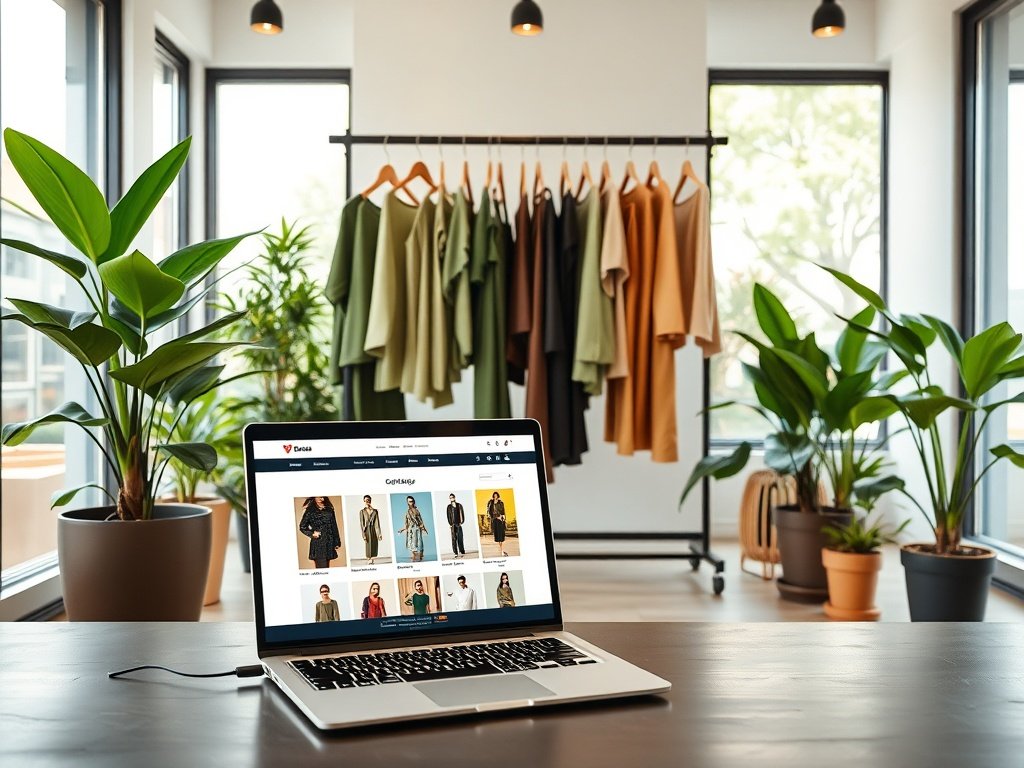
Sustainable Stileloot Com Fashion promotes eco-conscious clothing through ethically sourced materials, transparent production, and timeless designs. It reduces waste, supports fair labor, and helps consumers make responsible wardrobe choices without compromising style. By choosing sustainable pieces, you contribute to a fashion ecosystem that values quality, durability, and environmental responsibility over fast-trend consumption.
This guide explores Sustainable Stileloot Com Fashion, showing how eco-conscious design, ethical production, and mindful consumer choices redefine modern wardrobes. It explains the importance of sustainable fabrics, ethical labor practices, and responsible production. Readers will learn how to evaluate brands, extend garment life, and make fashion choices that support the planet. This comprehensive article provides practical insights and inspiration for anyone seeking style with purpose, showing that sustainable fashion can be both trendy and responsible.
Understanding Sustainable Stileloot Com Fashion and Its Global Importance
Sustainable Stileloot Com Fashion is more than a trend—it is a shift toward responsible style. It prioritizes environmentally conscious materials, ethical labor, and low-waste production methods. By embracing sustainable principles, brands reduce pollution, limit resource use, and create clothing that lasts longer than fast-fashion items. For consumers, this means making informed wardrobe choices that reflect personal values. The rise of sustainability in fashion highlights global awareness about environmental impact, encouraging a culture where ethical and stylish choices go hand in hand. Sustainable fashion is now essential for a forward-thinking wardrobe.
Ethical Practices That Transform the Fashion Industry
Ethical fashion is a cornerstone of Sustainable Stileloot Com Fashion. Brands that follow ethical practices ensure fair wages, safe working conditions, and respect for human rights. This approach contrasts sharply with the exploitation seen in some parts of the fast fashion industry. Ethical practices not only protect workers but also foster trust between brands and consumers. Supporting companies that adhere to these principles helps shape a fashion ecosystem rooted in responsibility. Ethical fashion demonstrates that style does not need to come at the expense of people’s well-being, making each purchase impactful beyond appearance.
Eco-Conscious Fabrics Driving Sustainable Style
Materials play a crucial role in sustainability. Fabrics such as organic cotton, linen, hemp, and recycled fibers minimize chemical use, water waste, and carbon emissions. Innovative options like Tencel and biodegradable blends further reduce environmental footprints. Using these materials allows consumers to enjoy comfort, durability, and fashion-forward designs while staying eco-conscious. Every choice made in fabric selection contributes to a lower environmental impact. Understanding these fabrics helps shoppers make decisions that align with sustainability goals and supports brands that prioritize planet-friendly production.
Minimizing Waste Through Thoughtful Design
Reducing waste is vital in sustainable fashion. Designers implement careful planning, zero-waste patterns, and multi-purpose pieces to limit fabric scraps. Sustainable collections emphasize timeless styles, enabling garments to remain relevant beyond seasonal trends. This approach not only reduces landfill waste but also encourages consumers to invest in quality pieces. By considering longevity and adaptability, sustainable fashion challenges the disposable mindset of fast fashion. Thoughtful design ensures clothes are functional, stylish, and environmentally responsible, reflecting a deeper understanding of fashion’s role in ecological conservation.
The Power of Conscious Consumers
Consumer behavior drives the evolution of sustainable fashion. Individuals who prioritize transparency, ethical sourcing, and eco-conscious materials push brands to adopt responsible practices. Conscious consumers research products, question claims, and consider long-term use before purchasing. Their choices influence market trends, creating demand for garments that balance style, quality, and sustainability. By supporting eco-friendly brands, shoppers actively contribute to the growth of responsible fashion. Conscious consumption highlights the interconnectedness between consumer choices and industry practices, demonstrating that individual decisions can have widespread impact on sustainability.
Merging Style and Function in Eco-Friendly Fashion
Sustainable fashion proves that eco-conscious clothing can be both stylish and functional. Designers focus on adaptable silhouettes, timeless cuts, and practical details, allowing garments to transition across occasions. Functionality ensures clothing remains relevant for longer, reducing frequent replacement. Sustainable pieces often combine elegance with utility, appealing to fashion-forward individuals who care about the environment. By merging style with eco-conscious practices, Sustainable Stileloot Com Fashion creates wardrobes that are versatile, long-lasting, and visually appealing, showing that sustainability need not compromise design or comfort.
The Role of Transparency in Brand Credibility
Transparency is critical for evaluating genuine sustainable fashion. Brands that disclose material sourcing, manufacturing processes, and labor practices foster trust and accountability. Clear communication educates consumers about certifications, eco-labels, and production standards. Transparency helps shoppers make informed choices and avoid greenwashing, where brands exaggerate sustainability claims. When brands prioritize openness, consumers feel confident supporting ethical practices. Transparent fashion bridges the gap between environmental responsibility and consumer trust, making it easier to embrace sustainable lifestyle choices without sacrificing confidence in the products purchased.
Planning a Long-Term Sustainable Wardrobe
Long-term planning ensures a wardrobe built on quality and durability. Sustainable fashion encourages selecting versatile, timeless pieces that minimize the need for frequent replacements. Thoughtful curation reduces waste while allowing for cohesive, stylish outfits. By investing in high-quality garments and avoiding impulse purchases, consumers create a meaningful collection that reflects personal style and environmental awareness. This approach fosters responsible habits and reduces the pressure to follow fleeting trends. Building a sustainable wardrobe is a strategic way to support ethical fashion while enhancing personal style over time.
Caring for Clothes to Extend Lifespan
Proper care, repair, and upcycling extend the life of garments. Simple measures such as mending seams, replacing buttons, and using gentle washing techniques prevent premature wear. Upcycling transforms older pieces into new styles, reducing waste and promoting creativity. These practices encourage mindful consumption by valuing clothing longevity. Sustainable fashion emphasizes that every garment can be cherished and preserved. By incorporating care and repair into routines, consumers align with eco-conscious principles, contributing to waste reduction while enjoying unique, well-maintained pieces that remain stylish for years.
Also read this: Ambienic Com Explained: Ultimate Guide to Sleep Health Insights Online
Overcoming Challenges in Sustainable Fashion Adoption
Despite growing awareness, sustainable fashion faces obstacles like higher costs, limited availability, and consumer misconceptions. Greenwashing makes it difficult to distinguish genuine eco-friendly brands. Small sustainable brands may struggle with production scale or visibility in competitive markets. Overcoming these challenges requires education, accessible pricing models, and verified certifications. Consumers play a key role by supporting credible brands and spreading awareness. Industry collaboration, policy support, and technology innovations further enable sustainable fashion to become mainstream. Addressing these hurdles is essential for long-term adoption and meaningful environmental impact.
Innovation Driving Sustainability in Fashion
Technological and material innovations accelerate sustainable fashion practices. Waterless dyeing, bioengineered fabrics, and digital patterning reduce resource consumption and waste. Advanced tracking systems ensure supply chain transparency, enabling brands to verify ethical practices. These innovations allow designers to create fashionable, functional pieces while minimizing environmental impact. Investment in research and development expands the availability and affordability of eco-friendly clothing. Innovation makes sustainable fashion practical, scalable, and appealing, showing that responsible design and technology can coexist seamlessly. The future of fashion relies heavily on continued innovation to maintain both ethics and aesthetics.
Embracing Circular Fashion for Environmental Health
Circular fashion emphasizes recycling, resale, and product life extension. Unlike linear fast fashion models, circular systems retain value in garments and reduce waste. Consumers participate by recycling old clothing, purchasing second-hand items, and supporting take-back programs. Circularity reduces carbon footprint, conserves resources, and supports responsible consumption. Brands embracing circular principles innovate by designing recyclable or modular pieces. The approach aligns environmental, social, and economic goals, ensuring fashion contributes positively to the planet. Circular fashion demonstrates that sustainability is achievable through thoughtful systems and active participation at all levels.
Cultural Influence on Sustainable Fashion Trends
Cultural shifts drive the acceptance of sustainable fashion. Awareness campaigns, social media, and documentaries expose fast fashion’s environmental and ethical issues. Consumers increasingly value ethical practices and eco-conscious materials. Cultural influence elevates sustainable brands and encourages mindful purchasing habits. Fashion events and influencers promoting sustainable style inspire widespread adoption. As society prioritizes ethical consumption, sustainable fashion becomes a symbol of status, creativity, and responsibility. Culture shapes fashion choices, making eco-friendly practices a desired part of modern lifestyles and empowering individuals to act consciously in their wardrobe selections.
Evaluating Brands for True Sustainability
To identify authentic sustainable fashion, examine material sourcing, labor practices, and certifications. Trusted eco-labels and third-party verification help consumers avoid misleading claims. Assessing brand transparency, production methods, and durability ensures garments align with ethical and environmental standards. Reviews and expert opinions provide additional insights into brand credibility. Responsible consumers learn to question vague marketing and look for tangible evidence of sustainability. Evaluating brands carefully supports ethical fashion while rewarding companies that prioritize transparency, innovation, and environmental stewardship, reinforcing positive industry change over time.
Transforming Personal Style Through Sustainable Choices
Adopting Sustainable Stileloot Com Fashion encourages a shift toward intentional, value-driven style. Wardrobes become expressions of ethics, aesthetics, and environmental consciousness. Conscious selection fosters appreciation for quality craftsmanship and durability. This transformation moves fashion from disposable trends to meaningful collections that reflect identity and values. Over time, personal style evolves to embrace versatility, longevity, and uniqueness. Sustainable fashion empowers individuals to look stylish while contributing positively to the planet. Making eco-conscious choices ultimately redefines fashion as a form of responsible self-expression rather than fleeting consumption.
Conclusion
Sustainable Stileloot Com Fashion combines ethics, style, and environmental responsibility into a modern approach to wardrobe building. By prioritizing quality materials, fair labor, transparent practices, and mindful consumption, it creates meaningful impact. Consumers can enjoy stylish, versatile garments while reducing waste and supporting ethical brands. Sustainable fashion encourages long-term thinking, responsible choices, and personal expression aligned with environmental values. It is a practical, impactful, and desirable way to transform everyday style into a force for positive change.
FAQs
What is Sustainable Stileloot Com Fashion?
It’s eco-conscious clothing emphasizing ethical production, eco-friendly fabrics, and minimal environmental impact.
How can I identify authentic sustainable brands?
Look for transparency, certifications, ethical labor practices, and verified eco-friendly materials.
Does sustainable fashion cost more?
Often, but garments last longer, saving money and reducing frequent purchases.
Can eco-friendly clothing still be fashionable?
Yes, sustainable designs blend style, functionality, and timeless appeal.
How does it reduce environmental harm?
By using eco-conscious fabrics, minimizing waste, and supporting ethical production.
What role do consumers play?
Conscious choices influence brands, demand transparency, and drive responsible practices.
How can I maintain sustainable clothing?
Repair, upcycle, wash gently, and store properly to extend garment lifespan.
For more info: foxbreak.com


