





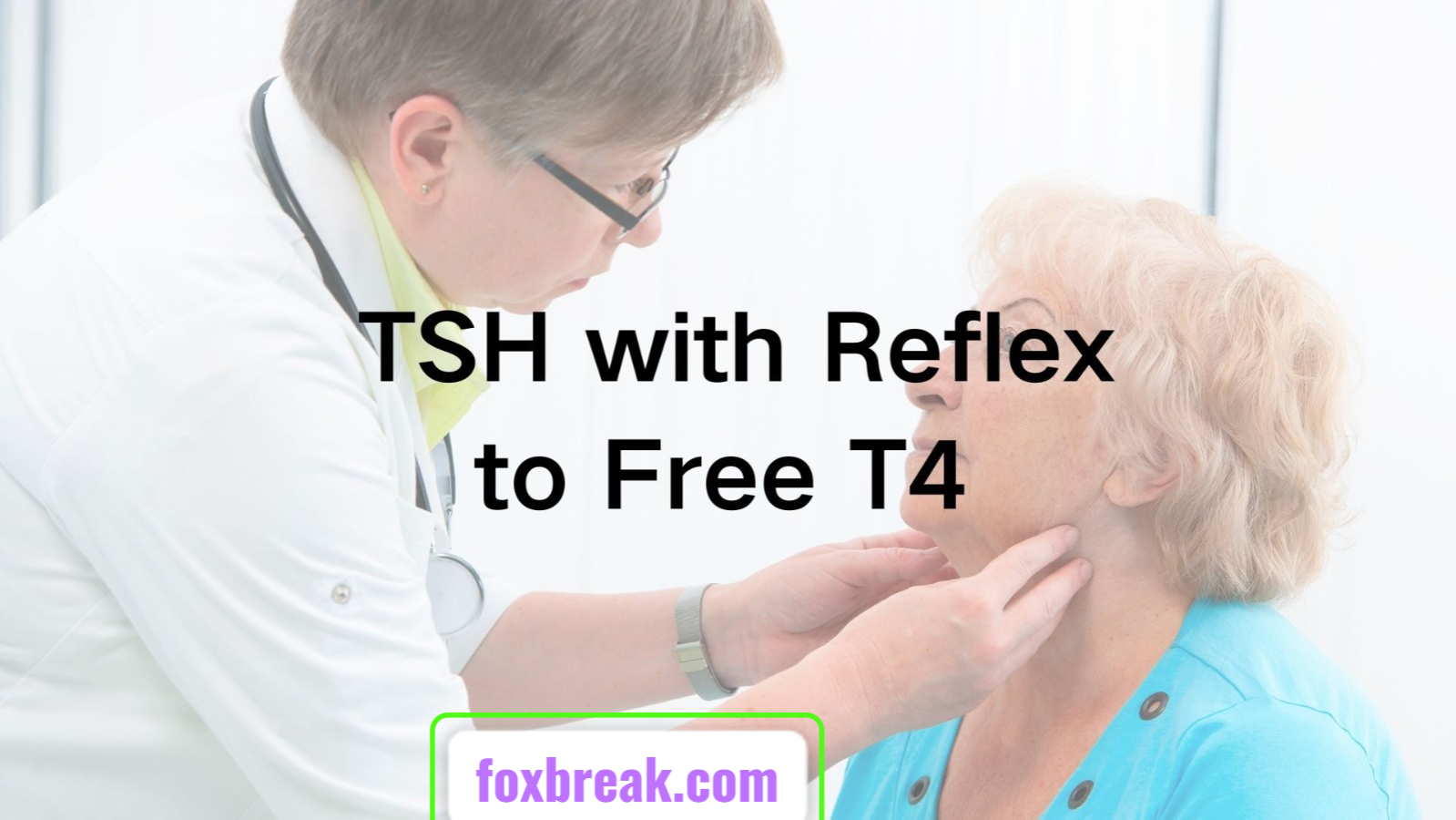
TSH w/Reflex to FT4 is a thyroid blood test that first measures TSH, the hormone controlling thyroid activity. If TSH levels are abnormal, the lab automatically measures Free T4 (FT4) to detect whether the thyroid is underactive or overactive. This reflex system simplifies testing, saves time and money, and allows doctors to identify thyroid disorders early. It is widely used in clinical practice due to its accuracy, efficiency, and ability to catch subtle hormone imbalances before symptoms develop.
The TSH w/Reflex to FT4 test is a key thyroid screening tool that helps detect hormone imbalances quickly and accurately. The test begins with a TSH measurement, which reflects the pituitary gland’s control over thyroid hormone production. If TSH is outside the normal range, FT4 is automatically measured to determine the type and severity of thyroid dysfunction. This reflex testing method reduces unnecessary testing, saves costs, and improves patient convenience. It is especially valuable for diagnosing hypothyroidism, hyperthyroidism, and other subclinical thyroid conditions, ensuring early detection and better management.
What Is TSH w/Reflex to FT4?
The TSH w/Reflex to FT4 test is a two-step thyroid assessment. It starts by measuring TSH, which signals whether the thyroid is producing enough hormones. When TSH levels are abnormal, the lab automatically measures FT4 to confirm if the thyroid is underactive or overactive. This reflex process avoids unnecessary tests, provides faster results, and helps doctors make accurate diagnoses. Many patients benefit from fewer blood draws and quicker treatment decisions. This system is efficient, cost-effective, and widely used in modern clinical practice to evaluate thyroid health.
Why TSH Is the Primary Gatekeeper Test
TSH is considered the most important initial thyroid test because it reflects the feedback loop between the pituitary gland and the thyroid. Small changes in thyroid hormone levels can significantly affect TSH before symptoms appear, making it a sensitive early indicator. High TSH typically indicates an underactive thyroid, while low TSH points to overactivity. Doctors rely on TSH as a primary screening tool to determine if further testing, like FT4 measurement, is needed. Its reliability and early detection capabilities make it a trusted component of thyroid assessment.
What Is Free T4 (FT4) and Why It Matters
Free T4 (FT4) is the active form of thyroxine, a hormone responsible for regulating metabolism, growth, and energy levels. Measuring FT4 provides essential information about thyroid function beyond TSH. Low FT4 alongside high TSH confirms hypothyroidism, while high FT4 with low TSH indicates hyperthyroidism. Understanding FT4 levels helps doctors accurately classify thyroid disorders and plan appropriate treatment. FT4 measurement also monitors response to thyroid medications, ensuring patients maintain healthy hormone levels. It is crucial for both diagnosis and ongoing thyroid management.
How the Reflex Testing System Works
The reflex testing system is a smart laboratory workflow designed to improve efficiency and reduce costs. Initially, only TSH is measured. If the TSH value is abnormal, the lab automatically tests FT4 without requiring a second order. This method prevents unnecessary testing, minimizes patient inconvenience, and accelerates diagnosis. By combining TSH sensitivity with targeted FT4 confirmation, reflex testing provides precise results while saving time and resources. Many clinics and hospitals prefer this system for its balance of accuracy and efficiency in routine thyroid evaluation.
Conditions Commonly Evaluated Using TSH w/Reflex to FT4
TSH w/Reflex to FT4 helps identify various thyroid disorders, including hypothyroidism and hyperthyroidism. It can also detect subclinical thyroid conditions where symptoms are mild or absent. Doctors use this test to monitor patients on thyroid medications or those with a family history of thyroid disease. It may help evaluate unexplained fatigue, weight changes, mood alterations, or heart rate irregularities. Reflex testing ensures clinicians receive the information they need quickly, supporting timely treatment and preventing complications from untreated thyroid dysfunction.
Also read this :Gastroshiza Uncovered: Top Causes, Warning Signs, and Proven Treatments
Interpreting TSH w/Reflex to FT4 Results
Normal TSH and FT4 levels usually indicate a healthy thyroid. High TSH with low FT4 suggests hypothyroidism, whereas high TSH with normal FT4 may indicate subclinical hypothyroidism. Low TSH with high FT4 points to hyperthyroidism, while low TSH with normal FT4 represents subclinical hyperthyroidism. Doctors interpret results in the context of symptoms, age, and overall health. Accurate interpretation guides treatment decisions, such as hormone replacement or further testing. Reflex testing ensures the right follow-up steps are taken based on both TSH and FT4 measurements.
Reference Ranges and Why They Vary
TSH reference ranges typically fall between 0.4 and 4.0 mIU/L, while FT4 ranges are approximately 0.8 to 1.8 ng/dL. These ranges can vary by laboratory, testing method, age, and population studied. Individual factors like pregnancy, medications, or illness can also affect results. Understanding these variations helps prevent misdiagnosis and unnecessary treatment. Doctors always consider reference ranges alongside patient symptoms and medical history, ensuring a comprehensive assessment of thyroid function. Reflex testing provides precise measurements within these accepted ranges.
Clinical Advantages of TSH w/Reflex to FT4
The TSH reflex test offers several advantages over standard thyroid testing. It is cost-effective because FT4 is only measured when necessary. The method reduces unnecessary blood draws and lab work, saving time for patients and clinicians. Reflex testing also provides faster diagnosis, allowing treatment to begin sooner. Its accuracy makes it suitable for detecting both overt and subclinical thyroid disorders. Patients benefit from less inconvenience, quicker results, and efficient monitoring. Many medical guidelines recommend reflex testing as a first-line approach for thyroid evaluation due to these benefits.
Why This Test Is Clinically Trusted
TSH w/Reflex to FT4 is recommended in endocrine guidelines as a reliable method for thyroid screening. Its sensitivity in detecting early hormone imbalances and the ability to confirm results with FT4 make it a trusted choice. Doctors prefer this test for its efficiency, accuracy, and ability to reduce unnecessary testing. Reflex testing supports timely interventions, improving patient outcomes. Its widespread use in clinical practice reflects confidence in its reliability. Patients can trust that this method provides comprehensive insight into thyroid function without additional, unnecessary procedures.
Common Misconceptions About TSH Reflex Testing
Some people believe FT4 should always be measured, but reflex testing only tests FT4 when TSH is abnormal. Others think reflex tests are less accurate than full panels, which is incorrect because laboratories follow strict protocols. Another misconception is that subclinical results are unimportant, yet early detection of mild thyroid dysfunction prevents long-term complications. Understanding these facts helps patients feel confident in their testing and results. Reflex testing provides precise, cost-effective, and clinically validated thyroid evaluation while avoiding unnecessary procedures.
When Additional Thyroid Tests Are Needed
If symptoms persist despite normal TSH and FT4 levels, doctors may order additional tests like Free T3, thyroid antibodies, or imaging studies. These tests can identify autoimmune thyroid disease, nodules, or rare pituitary causes. Patients with complex medical histories or ongoing symptoms often benefit from this further evaluation. Reflex testing is typically the first step, and additional tests are only needed when results are inconclusive or symptoms remain. This stepwise approach ensures accurate diagnosis without over-testing or wasting resources.
TSH Reflex Testing vs Full Thyroid Panels
Reflex testing measures TSH first and FT4 only if necessary, making it cost-effective and efficient. Full thyroid panels test all hormones regardless of TSH, which may provide more data but often increases costs and complexity. Reflex testing is ideal for initial screening and routine follow-up, while full panels are used when symptoms are complex or treatment monitoring requires a comprehensive view. Many clinicians prefer reflex testing for its balance of precision, efficiency, and reduced patient burden.
Tips for Preparing for Your Thyroid Blood Test
Morning testing is recommended because TSH levels fluctuate throughout the day. Patients should avoid biotin supplements for at least two days prior, as they can interfere with results. Medications affecting thyroid function should be discussed with the doctor. Staying calm and relaxed before testing is important, since stress can temporarily alter TSH levels. Preparing properly ensures accurate measurements and reliable results for both TSH and FT4. Reflex testing benefits from these precautions, providing precise information without repeat visits.
Signs You Might Need a Reflex Thyroid Test
Persistent fatigue, unexplained weight changes, rapid heartbeat, mood swings, or hair thinning may indicate thyroid issues. Swelling in the neck or goiter may also signal the need for testing. Reflex testing helps detect thyroid dysfunction even before symptoms become severe. It is particularly valuable for people with a family history of thyroid disease or those on medications that affect hormone levels. Early detection through reflex testing can prevent complications and guide timely treatment for optimal health outcomes.
Final Verdict and Next Steps
TSH w/Reflex to FT4 is a reliable, efficient, and patient-friendly thyroid test. By combining TSH measurement with automatic FT4 testing when needed, it ensures early detection of thyroid disorders without unnecessary procedures. Patients experiencing symptoms such as fatigue, weight changes, or mood swings should discuss reflex testing with their doctor. This test provides fast, accurate results, supports timely treatment, and helps maintain balanced thyroid hormone levels. Using reflex testing as a first step in thyroid evaluation is an effective strategy for long-term health management.
FAQs
1. What does TSH w/Reflex to FT4 test for?
It screens for thyroid imbalances by measuring TSH first and automatically testing FT4 if needed.
2. Is TSH w/Reflex to FT4 more accurate than standard tests?
Yes, it combines sensitive TSH detection with FT4 confirmation, making it highly reliable.
3. How long does it take to get results?
Most labs provide results in 1–3 days, faster than ordering separate tests.
4. Can this test detect early thyroid disease?
Yes, it identifies subclinical hypothyroidism or hyperthyroidism before symptoms appear.
5. Do I need to fast before the test?
Fasting is not required, but morning testing provides the most accurate TSH reading.
6. How often should I get TSH reflex testing?
Annual testing is common, more frequent if on thyroid medication or high-risk groups.
7. Can medications affect results?
Yes, supplements like biotin or thyroid hormone therapy may interfer
For more info :foxbreak.com


