





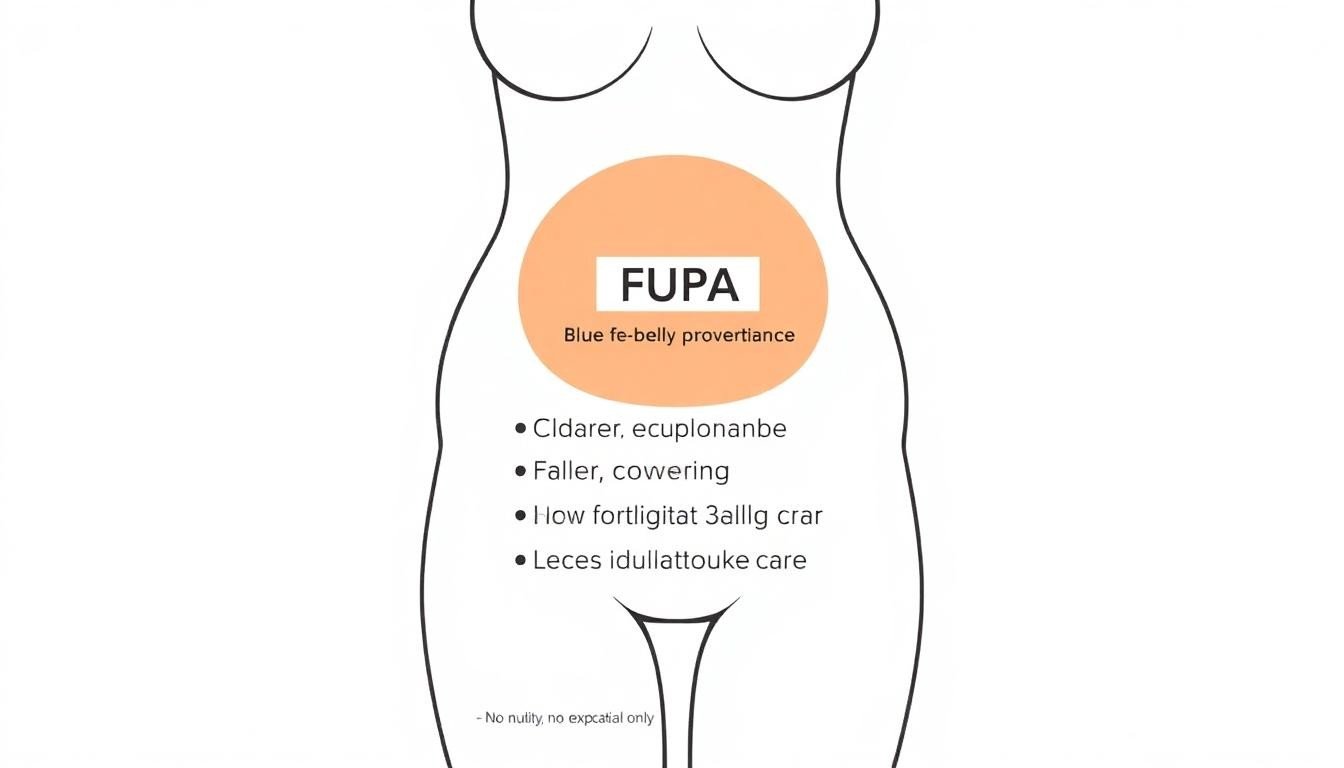
FUPA (Fat Upper Pubic Area) refers to excess fat stored in the lower abdominal region, just above the pubic bone. This area is often difficult to target because it is influenced by factors such as genetics, hormonal changes, pregnancy, and weight fluctuations. While it can feel stubborn, FUPA can be reduced over time through consistent exercise, a balanced diet, proper sleep, and stress management. For those seeking quicker results, non-invasive medical treatments are also available, though long-term success depends on sustainable lifestyle habits.
FUPA is a common concern for both men and women. This guide explains why lower belly fat tends to be more resistant compared to other areas and how it differs from general abdominal fat. It also explores key causes, including hormonal imbalances, genetic predisposition, and daily lifestyle choices. In addition, you’ll discover practical and natural ways to reduce FUPA through targeted workouts, proper nutrition, and healthy routines. For a complete approach, the guide also covers safe medical options and addresses the emotional and confidence-related effects associated with this condition, helping you achieve both physical and mental well-being.
FUPA Explained: What It Is, Causes, and Why It Matters
FUPA, or Fat Upper Pubic Area, is the layer of stubborn fat that forms just above the pubic bone. Unlike general belly fat, this area tends to be more resistant to traditional weight loss methods due to a higher concentration of fat-storing cells and reduced blood circulation. FUPA can affect both men and women and is especially common after pregnancy, hormonal changes, aging, or rapid weight fluctuations.
Understanding FUPA is important because it requires a more targeted and consistent approach than overall fat loss. By recognizing its causes and challenges, individuals can adopt effective strategies—such as focused exercise, balanced nutrition, and lifestyle adjustments—to reduce it. Addressing FUPA properly not only improves lower abdominal appearance but also boosts confidence and supports a healthier, more toned midsection without relying on ineffective or frustrating methods.
Why the Lower Belly Stubbornly Holds Fat
The lower belly is one of the most biologically stubborn areas for fat storage. Hormones like estrogen in women and cortisol in men encourage fat retention in this region. Stress, poor sleep, and metabolic factors further reinforce this tendency. Even with calorie reduction, fat in the FUPA area often resists loss because it is evolutionarily programmed to be stored for reproductive and energy purposes. Combining proper nutrition, targeted exercise, and stress management is the most effective way to overcome this resistance. Gradual, consistent approaches usually yield the best long-term results for both appearance and health.
FUPA vs Regular Belly Fat: Key Differences

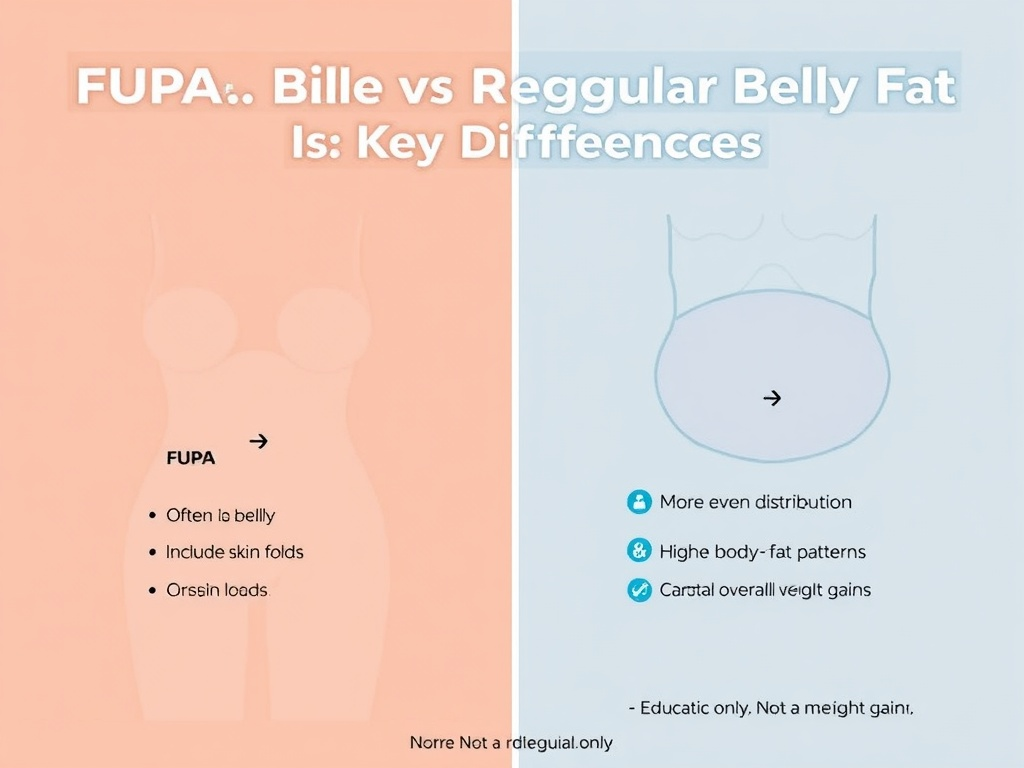
FUPA differs from typical belly fat in location, structure, and persistence. While general belly fat spreads across the abdomen, FUPA specifically accumulates above the pubic bone. It is often influenced more by hormones, pregnancy, or genetics than lifestyle alone. Skin laxity and stretched connective tissue in this region also make fat reduction more challenging. Understanding this distinction is important for choosing the right approach, whether through targeted exercise, nutritional adjustments, or medical procedures. Treating FUPA effectively requires recognizing that traditional abdominal workouts may not be sufficient on their own.
Top Causes of a FUPA: From Genetics to Lifestyle
FUPA can result from multiple interconnected factors. Genetics plays a key role in determining fat distribution and how easily fat accumulates in the lower belly. Pregnancy and postpartum hormonal changes often leave lasting fat in this area. Repeated cycles of weight gain and loss can make fat more persistent, while poor diet, sedentary habits, and stress can worsen accumulation. Each factor contributes differently for every individual, which is why a tailored strategy combining exercise, nutrition, and lifestyle adjustments is crucial. Awareness of these causes allows for a more effective, long-term approach to managing FUPA.
Pregnancy, Postpartum, and Lower Belly Changes
Pregnancy significantly impacts the FUPA area due to stretching of the abdominal muscles, skin, and underlying connective tissue. After childbirth, hormonal shifts and lingering fat deposits can leave the lower belly with excess volume and sagging. Postpartum recovery varies depending on genetics, exercise habits, and diet. While natural methods like strengthening exercises and proper nutrition can gradually improve appearance, some individuals may benefit from non-invasive treatments or professional guidance to address persistent skin laxity or fat accumulation. Combining patience and consistent care yields the best results in restoring a firmer lower belly.
Impact of Weight Fluctuations and Rapid Fat Loss
Repeated cycles of weight loss and gain, also known as yo-yo dieting, can make FUPA more pronounced. Rapid fat loss often reduces volume unevenly, leaving the lower belly with sagging skin or stubborn fat. When the body senses repeated calorie restriction, it prioritizes fat storage in biologically resistant areas like the FUPA. Sustainable results require slow, gradual weight loss combined with strength training to improve muscle tone and skin elasticity. Avoiding drastic diets and focusing on long-term consistency helps minimize FUPA while promoting overall health.
Also read this : Who Called 01135340816? Complete Phone Lookup Guide
How Genetics and Body Type Affect FUPA
Genetics and natural body type heavily influence FUPA development. Individuals with apple-shaped bodies tend to store more fat in the midsection, while pear-shaped individuals accumulate fat in hips and thighs. Genetic factors determine fat cell number, metabolism, and skin elasticity, affecting how easily the lower belly fat can be reduced. While genetics may make FUPA more challenging to address, a combination of proper nutrition, exercise, and medical options can still achieve meaningful improvement. Recognizing one’s body type allows for a more realistic and effective strategy to manage FUPA.
Natural Ways to Reduce FUPA
Reducing FUPA naturally involves consistent exercise, targeted nutrition, and lifestyle adjustments. Core strengthening exercises such as planks, leg raises, and reverse crunches help tone underlying muscles. Cardiovascular activities improve overall fat burning, while a balanced diet rich in protein, fiber, and healthy fats supports fat loss. Stress management, adequate sleep, and hydration also contribute to hormonal balance, enhancing fat reduction. Results require patience and persistence, but over time these natural methods can significantly improve the appearance of the lower belly without surgery or invasive treatments.
Nutrition Tips for Targeting Lower Belly Fat
Proper nutrition is essential for addressing FUPA. Consuming lean proteins like chicken, fish, and legumes supports muscle growth and fat metabolism. Complex carbohydrates such as oats and quinoa provide sustained energy, while healthy fats like avocado and nuts improve satiety. Limiting processed sugars, fried foods, and excess refined carbs prevents additional fat accumulation. Staying hydrated helps regulate metabolism and supports skin health. When combined with exercise, these dietary strategies enhance fat reduction specifically in the lower belly, improving both appearance and overall wellbeing over time.
Best Exercises That Help Tighten the FUPA Area
Targeted exercises improve muscle tone and reduce the appearance of FUPA. Core-focused movements like planks, side planks, leg raises, and reverse crunches strengthen lower abdominal muscles. Squats and lunges engage the core while boosting overall fat burning. High-intensity interval training (HIIT) accelerates calorie expenditure and supports fat loss. Consistent practice, proper form, and gradual progression are key to achieving results. Exercise alone may not remove fat completely, but combined with nutrition and lifestyle changes, these methods can visibly tighten and sculpt the lower belly region.
Visual Guides: How Images Help Explain FUPA
Visuals play an important role in understanding FUPA. Diagrams of lower abdominal anatomy and exercise illustrations clarify which muscles are targeted and how fat accumulates in the FUPA area. Images help readers follow instructions accurately and increase engagement, particularly for younger audiences who respond well to visual learning. Including step-by-step visuals alongside explanations ensures comprehension, retention, and motivation. Visual guides also make complex concepts, such as skin elasticity and fat distribution, easier to grasp, creating a more effective and educational experience for readers.
Medical and Non-Invasive Options in 2026
Non-invasive treatments for FUPA offer additional solutions when lifestyle methods are insufficient. CoolSculpting freezes fat cells for gradual reduction, laser therapy helps tighten skin, and radiofrequency treatments stimulate collagen and shrink fat deposits. These options are generally safe when administered by certified professionals and can accelerate results. It is important to consult a qualified specialist to determine suitability, as individual needs vary. Medical interventions are most effective when combined with healthy habits like exercise, proper nutrition, and stress management, ensuring long-term improvement and sustainable outcomes.
Psychological Effects of FUPA on Confidence
FUPA can impact self-esteem, body image, and social confidence, particularly in younger adults. Persistent lower belly fat may lead to self-consciousness, avoidance of certain clothing, or stress in social situations. Addressing the psychological aspect is as important as physical management. Counseling, community support, and realistic goal-setting can help reduce emotional stress. Combining mental wellness practices with physical strategies enhances overall satisfaction, helping individuals feel more confident while working toward lower belly health and appearance improvement.
Also read this: Who Called Me 01146977213? Complete Truth Revealed Today
When a FUPA Could Signal a Health Issue
While FUPA is usually benign, persistent or sudden lower abdominal fat may indicate hormonal imbalances, metabolic syndrome, or insulin resistance. Stress-related fat accumulation can also contribute. If accompanied by other symptoms, such as fatigue, irregular cycles, or rapid weight gain, it is advisable to consult a medical professional. Early evaluation helps identify underlying conditions and allows for targeted interventions, ensuring that FUPA management aligns with overall health and wellbeing.
Comprehensive FUPA Care: Consultation, Treatment, and Lifestyle Tips
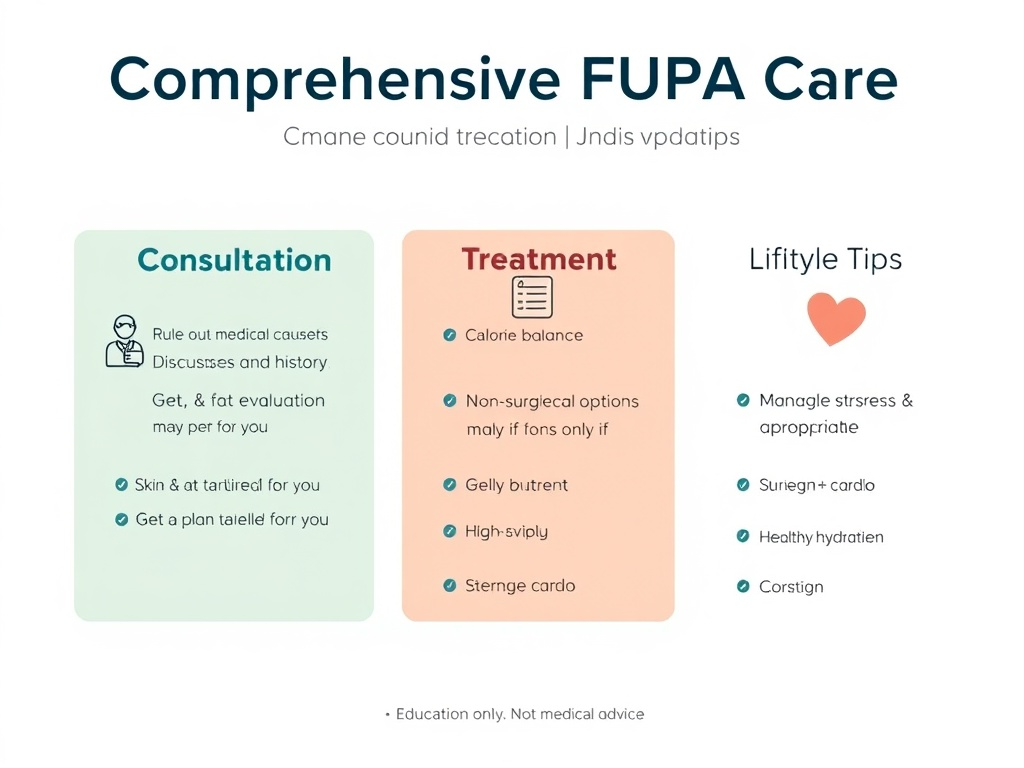
The most effective approach to managing FUPA combines nutrition, exercise, medical options, and psychological support. Professional consultation ensures a tailored plan addressing individual factors like genetics, body type, and lifestyle. Long-term success relies on consistent habits, including targeted exercises, balanced diet, stress management, and patience. Monitoring progress and adjusting strategies over time prevents recurrence. Comprehensive care not only improves the appearance of the lower belly but also promotes overall health, confidence, and sustainable lifestyle changes that last beyond short-term fixes.
Conclusion & Call-to-Action
FUPA is common and manageable with the right approach. Understanding its causes, from genetics to lifestyle, allows for targeted strategies. Combining nutrition, exercise, non-invasive treatments, and mental wellness ensures the best results. Begin implementing small changes today, stay consistent, and consult a professional if needed. Take control of your lower belly health and boost confidence with a comprehensive, sustainable plan.
FAQs
- Can FUPA be reduced naturally?
Yes, FUPA (Fat Upper Pubic Area) can be reduced naturally through a combination of consistent exercise, a balanced diet, and proper stress management. While results take time, maintaining a calorie deficit and staying active can gradually reduce fat in this area. - Does pregnancy always cause FUPA?
No, pregnancy does not always cause FUPA. However, hormonal changes, weight gain, and stretched abdominal muscles during and after pregnancy can increase the likelihood of developing fat in the lower abdomen. - Which exercises are most effective for reducing FUPA?
Exercises that target the lower abdominal region and burn overall body fat are most effective. These include planks, leg raises, reverse crunches, mountain climbers, and high-intensity interval training (HIIT). - Is FUPA more common in men or women?
FUPA is more common in women, particularly after pregnancy. This is largely due to hormonal factors like estrogen, which promotes fat storage in the lower abdominal and pelvic regions. - How long does it take to reduce FUPA naturally?
With consistent effort in diet and exercise, noticeable results can typically be seen within 8–12 weeks. However, the exact timeline varies depending on body type, metabolism, and lifestyle habits. - Can genetics make FUPA impossible to lose?
Genetics can influence where your body stores fat, including the lower abdomen. While it may make FUPA more stubborn, it does not make it impossible to reduce. A healthy lifestyle and, if needed, medical treatments can help improve results. - Are medical treatments for FUPA safe for teenagers?
- Non-invasive treatments may be safe if supervised by qualified professionals. However, surgical procedures are generally not recommended for individuals under 18 unless medically necessary. Natural methods should always be the first approach.
For more info :foxbreak.com


